// Contents
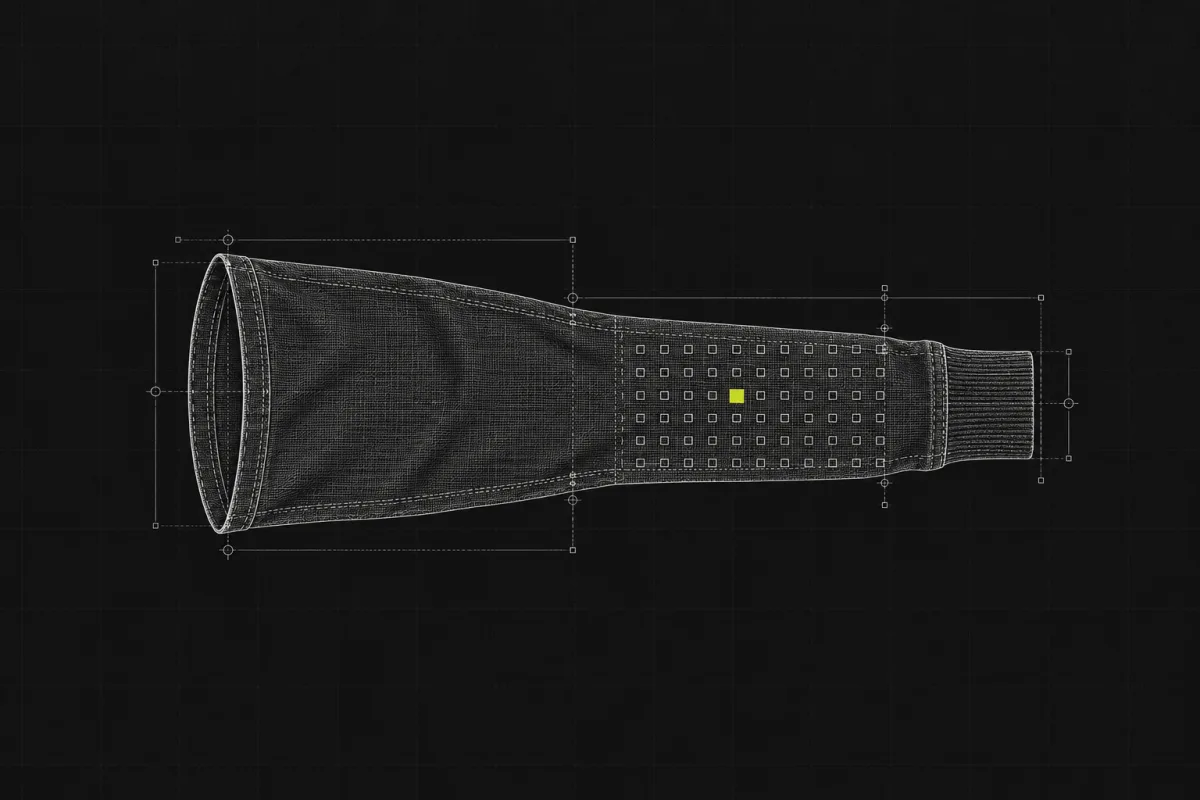
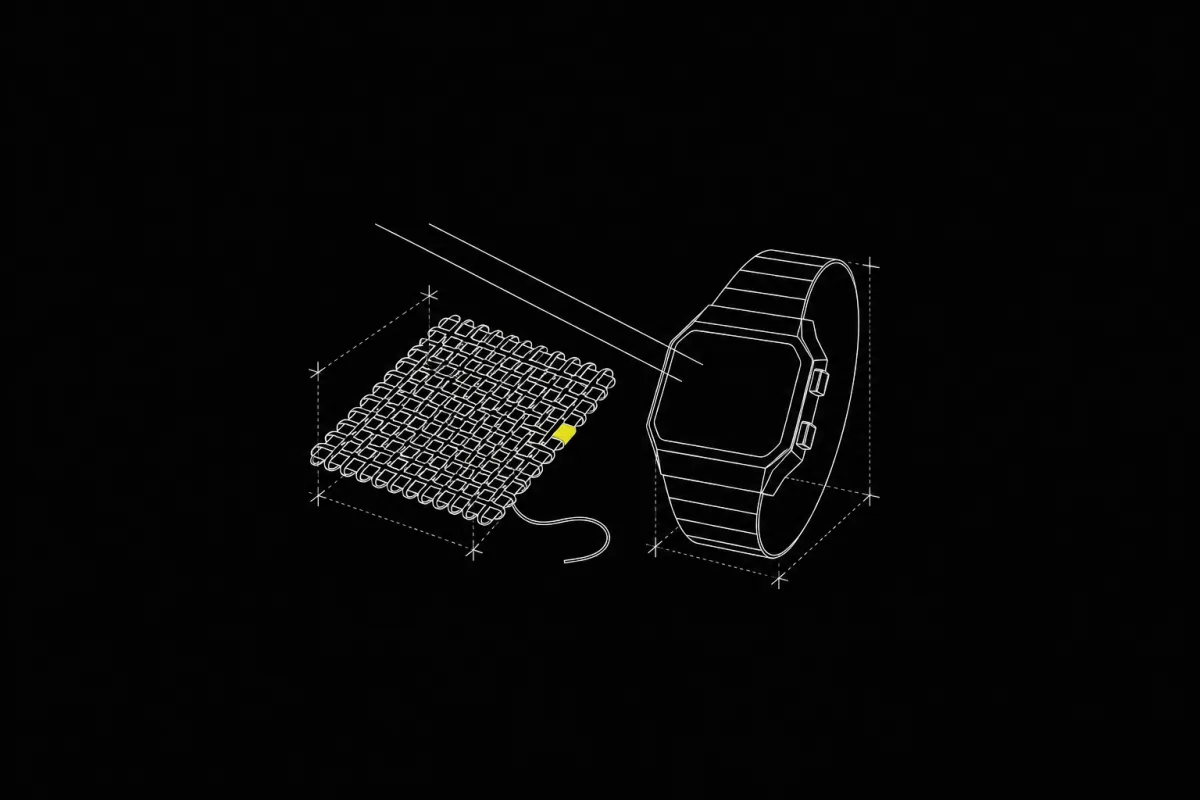
Flexible, threadlike solar cells powered a digital wristwatch indoors. The light level was about 907 lux, the Korea Institute of Materials Science reported on November 19, 2026. Under indoor lights, the cells also ran a liquid crystal display.
In a separate test, prototype cells kept about 80% of their original efficiency after 20 washes. That figure measures how well the cells still converted light into electricity after washing. A power source in clothing would have to run a device and survive the laundry. Making enough thread poses another problem. The researchers cut the time it took for the dye to stick to the thread from 16 hours to half an hour.
How dye helps turn light into power
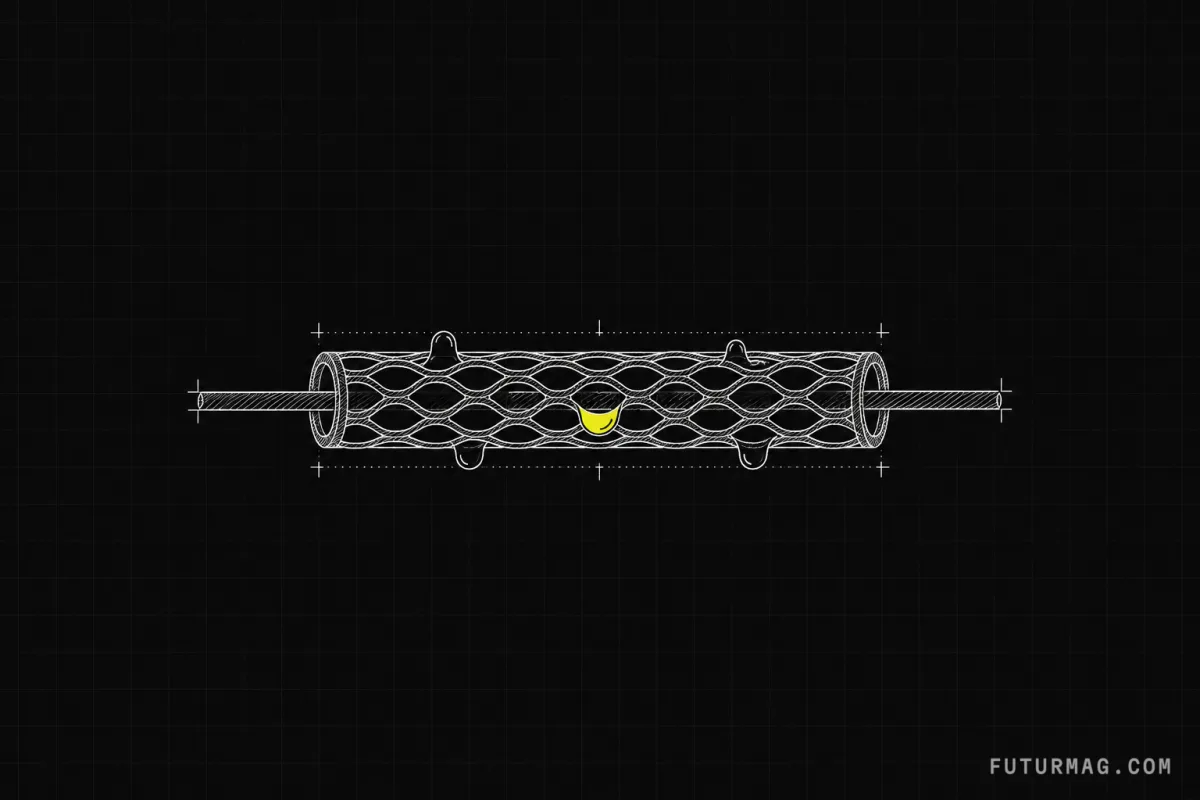
The prototype starts with a titanium wire a quarter of a millimeter across. Dye molecules cling to a porous layer of titanium dioxide around that core. When a dye molecule absorbs light, it can hand an electron to the titanium dioxide. The electron can travel from there into the circuit. An electrolyte replaces the lost electron so the dye can absorb light again.
The inside walls of the pores give the dye more places to land than the outside of a smooth wire. In their Chemical Engineering Journal paper, the researchers added a titanium-based metal-organic framework, a material full of tiny pores, to the titanium dioxide.
In the dye bath, it takes most of a day for the dye to reach the surface and stick. An electric field sped up both steps. The field only speeds up dyeing. Once connected to a device, the finished cell gets its energy from the light that falls on it.
Half an hour in the dye bath
A half-hour treatment worked almost as well as the long soak. With the electric field, the cells reached an efficiency of 7.06%. After 16 hours in solution without the field, the figure was 7.45%. Efficiency is the share of incoming light energy that becomes electrical energy. The team used the same material in both tests. Cutting the soak preserved most of the cell’s efficiency.
The porous framework itself also made a difference. Without it, the sample reached 5.54% efficiency. The extra pores give the material more room for light-absorbing dye, while the field cuts the wait at the dye bath.
Myungkwan Song, one of the study’s leads at the Korea Institute of Materials Science, says the team wants to try continuous production. Picture the fiber unwinding from a spool and moving through each treatment in turn. So far the team has sped up only the dyeing step. It will take a trial of the entire line to see how much finished thread it can turn out.
How the thread handles bends and washes
The fibers would have to bend with a garment every time someone sits down or rolls up a sleeve. After 5,000 bends, cells with the porous framework kept more of their original efficiency than cells without it. In the washing test, the cells kept about four-fifths of their starting efficiency. In a finished garment, the connections between the threads and the device would also have to hold up.
The team ran the watch outdoors too. The indoor test matters for clothing that someone might wear all day away from direct sunlight. A digital watch needs little power and offers a familiar example of the kind of device these cells might run. Put the thread in the fold of a sleeve or under a jacket and it gets less light. A garment would need enough exposed thread to power the device and a way to keep it running in the dark.
Roof-mounted solar panels usually stay put. Clothing moves. A sleeve creases and swings in and out of the light. The way a person wears the garment would help determine how much power it can supply.