// Contents
A passenger forgets to fasten their seat belt. The car chimes, and the driver can remind them. On November 19, 2026, Japan’s transport ministry opened a consultation on how to handle the same warning in driverless passenger vehicles, known as category X. Under the ministry’s proposal, the vehicle would send an electronic signal to the system that drives it.
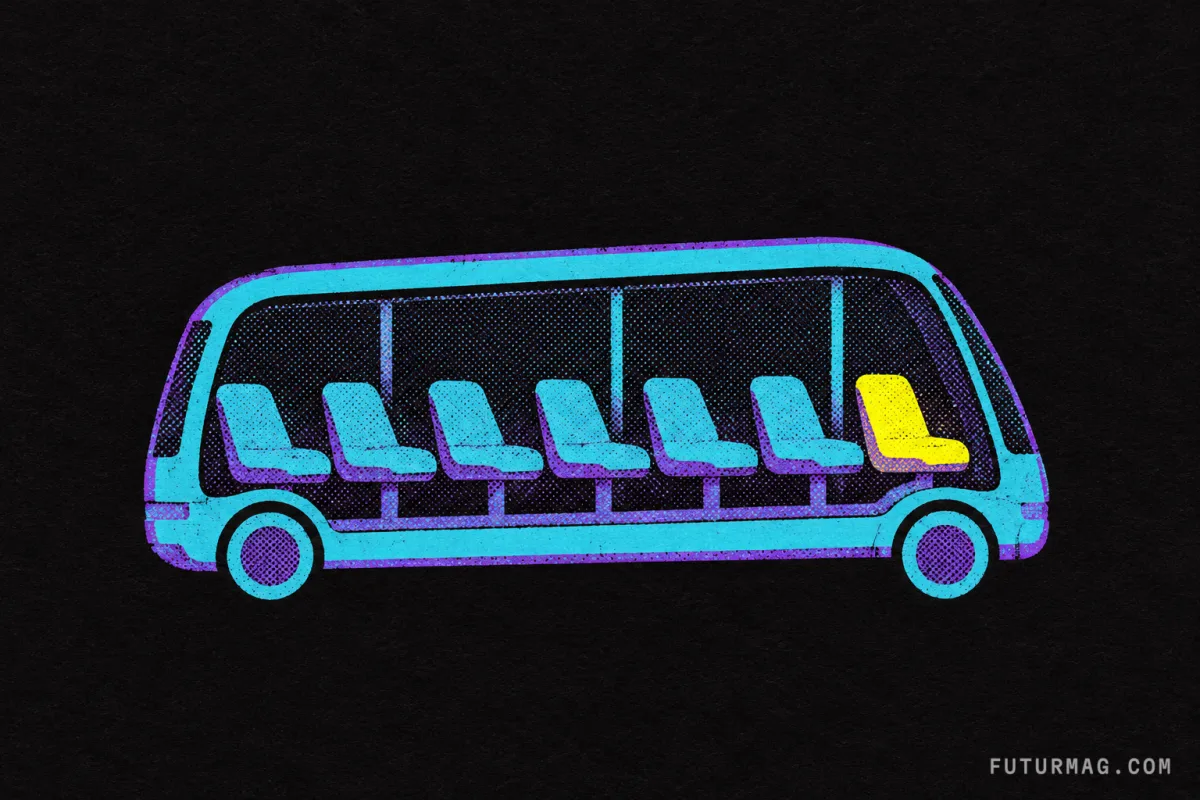
The Japanese city of Hitachiota built a bus route around a little pink shuttle with no steering wheel or pedals. Its job is to take people to familiar stops. With no driver’s seat, the seat belt warning needs a new recipient.
Who gets the warning
The agreed supplement to UN Regulation No. 174 calls for two kinds of seat belt alerts when the car is in a mode that never requires a person to take over. An unbuckled passenger gets a warning, which might be a chime. The automated driving system gets an electronic signal about the belt. For category X vehicles, the supplement specifies reminders for front-row seats. Requirements for rear rows depend on the vehicle class. A November status report from the UN Economic Commission for Europe lists December 27, 2026, as the provisional date for the supplement to take effect.
If the system manages the reminder itself, it has to provide at least the same level of safety. What the vehicle does next is a separate question. Under the agreed UN Regulation No. 185 and its accompanying guidance, the driving system would have to respond appropriately to signals from the vehicle. The manufacturer would explain how in the documents it submits to show the vehicle is safe.
Picture a passenger taking a seat and leaving their belt undone. A parked car can wait. If the passenger unbuckles in the middle of an intersection, a sudden stop could create a hazard of its own. The buckle sends the same signal in both situations.
Which rules need a driver’s seat
Japan’s proposal uses the international labels X for vehicles with room for passengers and Y for vehicles with no passenger space. A vehicle in either group is physically incapable of going faster than 6 km/h without using its automated driving system. That is about a brisk walk.
Japan’s ministry would drop some requirements that assume someone is at the wheel. A rearview mirror gives a human driver a view of the road behind. With no place for a driver, there’s no view from that seat to check. Seat belt reminders at passenger seats get their own treatment.
How Hitachiota launched its pink shuttle
Children waved flags with a picture of a bus outside a shopping center on February 16, 2024. At the launch, the schoolboy who came up with the nickname Joppy received a model of the shuttle. The pink Navya EVO began running a regular schedule with an operator on board to supervise.
On March 25, 2026, the Kanto regional transport bureau approved this EVO for about 200 meters of automated driving. That approval covers Level 4 automation, meaning the shuttle can handle the driving on that stretch under specified conditions.
On May 13, the Ibaraki Prefectural Public Safety Commission issued Macnica permit No. 3 to run regular automated passenger service on the same stretch. The permit requires a staff member on board to drive manually when automated driving ends.
That stretch runs along one side of a street between a home improvement store and a preschool. It has no intersections. The shuttle is limited to 18 km/h, and it cannot operate under the permit in rain, snow or fog that obscures pedestrians, other vehicles and the road. Its remaining route falls outside this approval.
The permit authorizes regular Level 4 trips. Their start date remains unconfirmed. A city notice says replacement vehicles took over all trips starting May 20 while the system underwent maintenance. Buses still connect the railway station and shops. Ridership reached 19,300 boardings from the route’s expansion through October 31, 2026, including repeat trips.
When the new rules could take effect
Japan’s consultation runs through December 19, 2026. Under the proposal, the main changes would take effect on December 27. Some provisions on automated driving systems are scheduled for January 30, 2027.
Back in the intersection, the computer has the signal and the belt is still undone. What can the car safely do at that exact moment?