// Contents
Engineers cut the power on purpose in two Bavarian villages on November 26, 2026. A local battery restarted the grid, and the lights came back after a brief outage. The team ended the drill ahead of schedule because the wind turbines produced little power and the battery could only supply so much.
Over a year, Fuchstal generates more electricity than it uses. Some of it comes from four community-owned wind turbines. That annual surplus says little about how long the lights will stay on when the wind drops. After an outage, a village needs a way to restart the grid and enough electricity to keep it running until it can reconnect to the wider grid.
The villages had advance warning
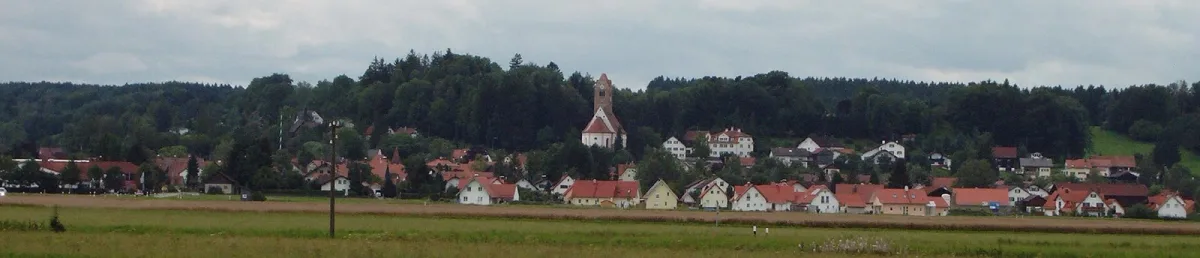
Engineers began taking Leeder off the public grid at around 10:20 a.m. Asch followed roughly half an hour later, according to reporters from Bavarian broadcaster BR24. The research team counted about 1,450 households across the two villages. The municipality had warned residents to expect brief outages during the switchovers.
Inside Gunther Seelos’s optical shop in Leeder, the doorbell fell silent. The lights went out. Seelos’s instruments for eye exams stopped working too. Within minutes, the shop was running again on local power, as journalist Michael Kerler reported from the scene.
The team ran its first two tests at the energy park. In 2024 it tested the battery on an isolated grid. In 2025 it added four wind turbines and ran that grid overnight. The third test went beyond the park. Engineers had to restore power to two villages after cutting them off from the wider grid.
What the battery did first
The battery’s inverter set the voltage and frequency for other power sources to follow. It turned direct current from the battery into the alternating current used by household outlets. By setting the voltage on its own, it could bring a dead grid back to life in what engineers call a black start. A local grid that runs independently is called an island.
A transformer can draw a brief surge of current when it first switches on, so several starting at once could make the voltage sag. The team added sections one at a time until the island supplied both villages. Engineers had used computer simulations to set up the battery inverters. In Leeder and Asch they could see how those settings held up on a grid serving homes and businesses.

Still air cut the trial short
Augsburg University of Applied Sciences had announced a return to the public grid around 3:30 p.m. The team began switching back at 11:45 a.m. All sections were back on the public grid shortly after noon, Main-Post reported. Engineers switched the villages over in stages both times. That morning the team announced that east Leeder was already on island power and the western section would follow in a few minutes. Exactly how long both villages ran solely on local power remains unclear.
The university attributed the early finish to light wind and limited battery storage. When the turbines produce less, the battery has to supply more to meet the same demand. BR24 reported fog and low solar output. Deputy project lead Michael Finkel also told the broadcaster about higher-than-expected lunchtime demand.
How much time a restart buys
Power came back to affected sections within minutes, as it did in Seelos’s shop. How long that power lasted depended on the weather and what homes and businesses drew from the grid. The team is comparing the measurements from the drill with its simulations.
During the drill, power stayed on outside Fuchstal, so the engineers could switch back when the local reserve was draining quickly. In a widespread outage, local sources would have to keep the lights on until the wider grid recovered. Fuchstal already plans to expand its battery storage. That would buy more time.
Residents cooked as usual. Finkel said the model had underestimated the lunchtime load, leaving the battery to supply more power than the team had expected.