// Contents
“People rear-end these things all the time. Most of the time, they just leave.” A Waymo roadside specialist said that in March 2024 to the officer who answered a crash call near an intersection in Chandler, a suburb of Phoenix. Someone had hit a driverless robotaxi and driven off. Officer Seth Chavez admitted on his body camera that he had never handled a call quite like it.
Reporters at Arizona’s Family, a Phoenix TV station, found that footage. They spent ten months collecting police reports and videos from five cities around Phoenix. From 2020 through 2024, police there logged 88 crashes involving Waymo cars. In 43 of them, or 49%, the other driver left and the robot stayed put. This won’t stay an Arizona story: Waymo says its cars now drive more than 4 million miles a week with no one at the wheel, in over 15 US cities.
The strangest scene played out in a 7-Eleven parking lot, also in Chandler, in 2022. After a fender bender, the at-fault driver walked up to the Waymo with her driver’s license and registration in hand. There was nobody to give them to, so she left.
License in hand, nobody to hand it to
A small crash ends the same way almost everywhere. Both drivers get out, photograph the dents and swap insurance details. Arizona law covers an empty car too: the driver who hit it must stop and either find the owner or leave a written note with a name and address “in a conspicuous place” in the damaged car. Driving off counts as a class 1 misdemeanor, the most serious class of misdemeanor in the state.
Lawmakers have already added a clause about autonomous vehicles. It covers the opposite situation, though: if a driverless car does the hitting, it only has to stop, and the owner provides the notice. Someone who hits a robot gets the same rules as someone who hits a parked car. A note under the wiper technically works, but few people will think of it with their pulse still racing.
Police reports rarely say why drivers leave. Sometimes the reason is obvious. In a 2020 crash in Mesa, an officer on video tells the driver who hit a Waymo, “You’re real loopy. Your speech is slurred.” In other cases, people apparently just couldn’t find anyone to talk to.
“Ordinary drivers don’t go through how-to-talk-to-a-robotaxi training,” says Phil Koopman, a professor emeritus at Carnegie Mellon University. Police and emergency responders struggle with these cars too, he says. Missy Cummings of George Mason University puts it more bluntly: “If there’s no one there to trade insurance cards with, then what do you do?”
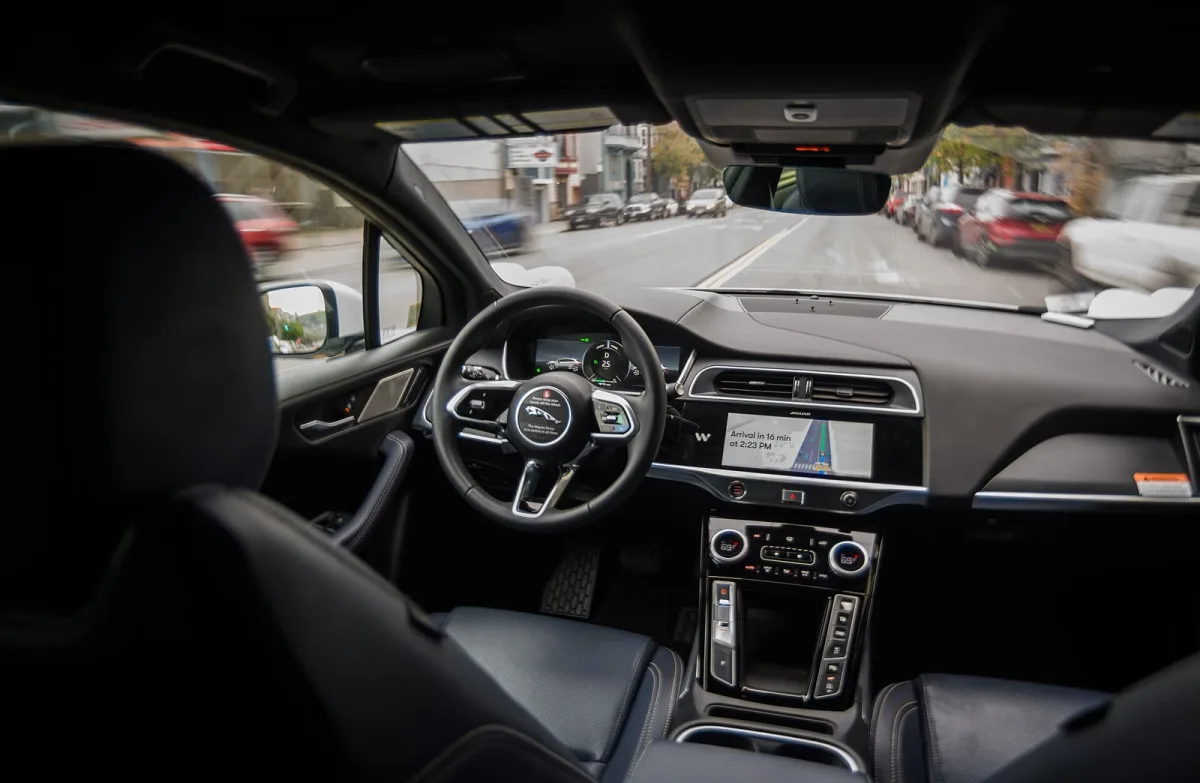
Waymo does have an answer. You just need to know it in advance.
?What should you do if you hit a Waymo?
Stop. Then use one of the ways Waymo offers to leave your details: scan the QR code on the driver’s side door, go through the Waymo app, fill out the form on its page for people involved in a crash, call, or email its insurance team. According to Waymo, you don’t have to wait at the scene for a company representative once you’ve submitted your information.
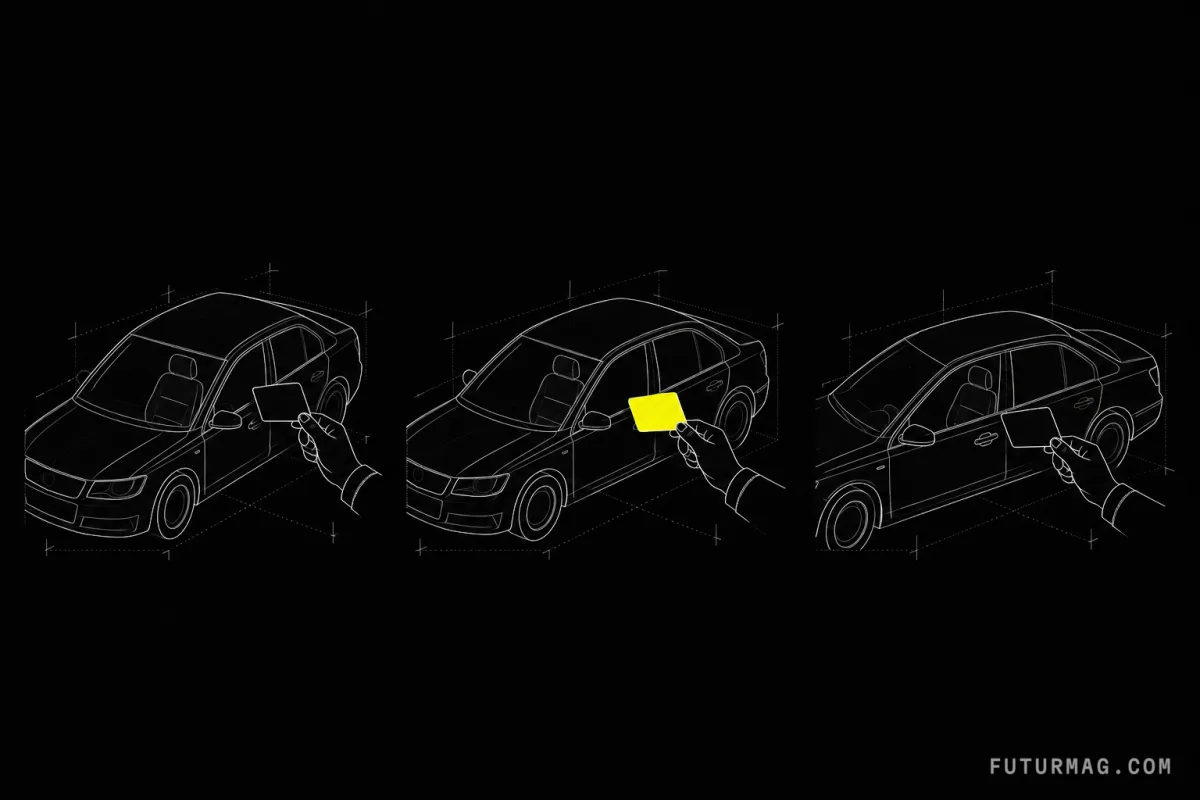
A bump from behind and an empty driver’s seat
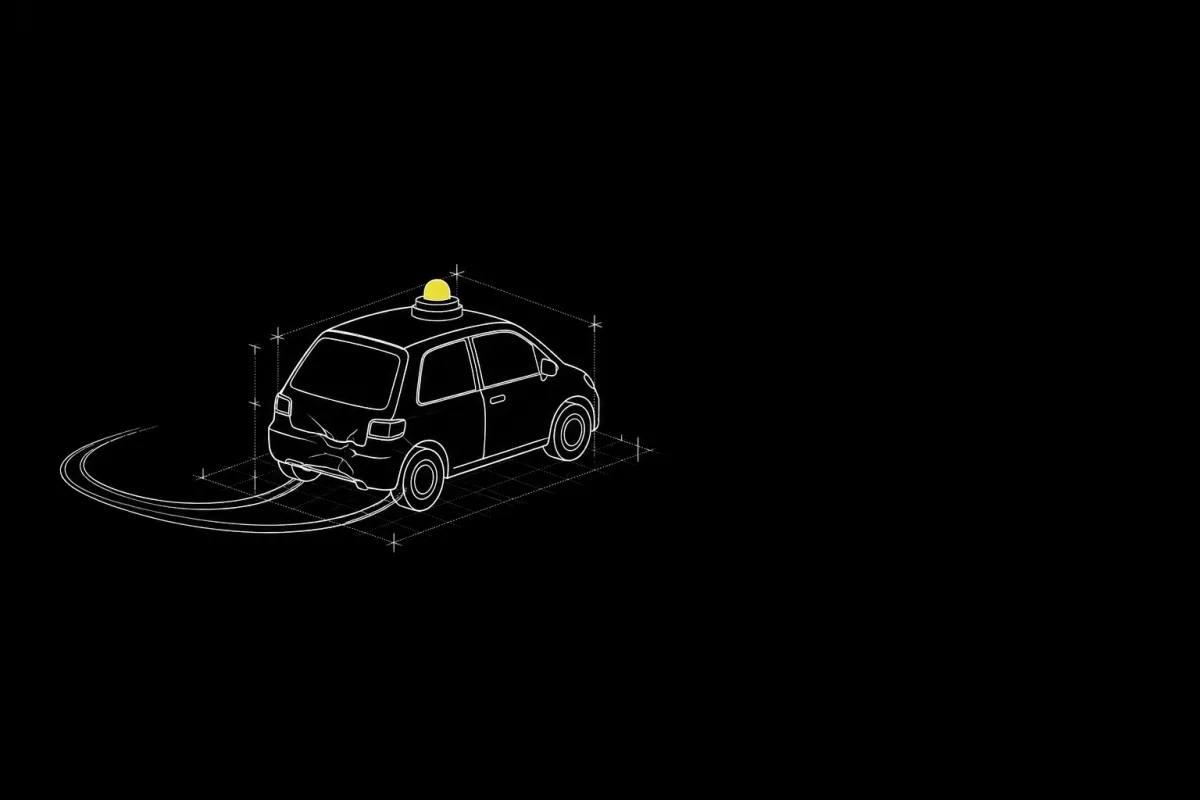
Whoever rear-ends another car is usually the one at fault. That driver has something to lose, and up ahead there’s no one to face, no one to remember a license plate. So the more often robots get hit from behind, the more people have both a reason to leave and the chance to.
How often that happens is in dispute. Cummings analyzed public data and concluded that Waymos get hit from behind twice as often as the average human driver. She blames phantom braking, in which a car slams on the brakes for an obstacle that isn’t there. “Everyone hears about hallucinations with generative AI,” she says. “These are real hallucinations.” Koopman explains the machine’s logic: if the system isn’t sure what it’s seeing, the tactically safe move is to stop, and the driver behind doesn’t see it coming.
Waymo disagrees. By the company’s count, its cars get into 41% fewer airbag-deploying rear-end crashes than human drivers in the same cities. In nearly three of every four, the Waymo was standing still, and the company’s analysis found no hard braking in any of them.
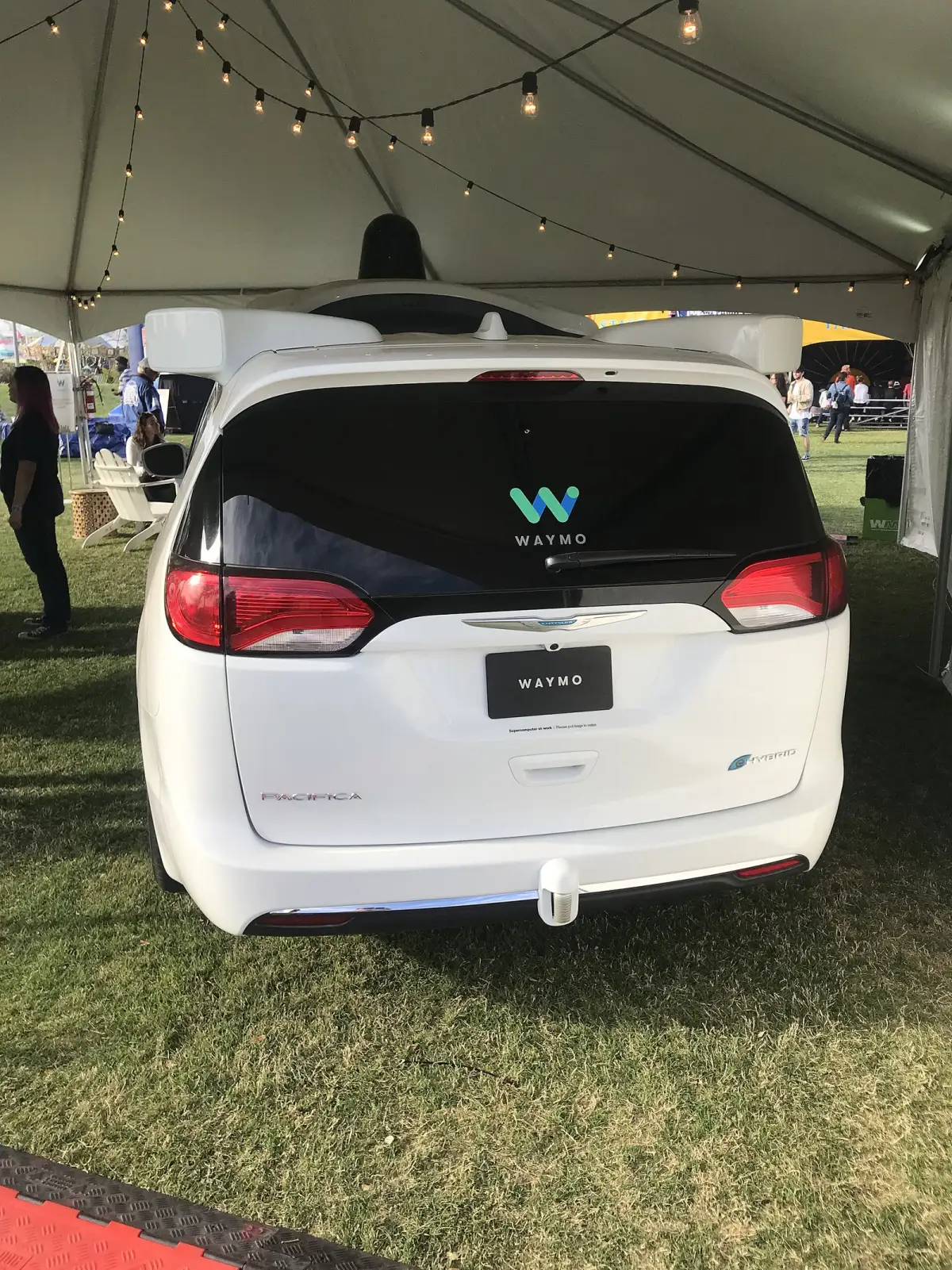
One thing nobody disputes: for a robotaxi, the most common crash is getting hit from behind. Waymo itself says the same is true for human drivers. The newsletter Understanding AI went through the reports Waymo files with NHTSA, the federal road safety regulator, for every city it serves, not just Phoenix. In 48 of 78 crashes where someone was hurt or an airbag went off, another vehicle hit the Waymo from behind. In half of those, the robotaxi was waiting at a light or a stop sign.
Whether robots get rear-ended more often than people, and why, remains unsettled. Meanwhile, the driver responsible for each of those crashes walks up to a car with nobody inside.
Who got counted, and who didn’t
The 2.4 ratio reads like a verdict on human drivers, but it has a weak spot, and Waymo points straight at it. There’s no way to tell whether its cars really suffer more hit-and-runs or the company is just more diligent about reporting them. That argument is stronger than it sounds. By an NHTSA estimate, about 60% of US crashes that damage only property never reach the police. Someone whose bumper gets scraped outside a supermarket often just shrugs and drives home. If the other driver fled, that hit-and-run never makes it into any count.
The reporters worked out rates per million miles with a traffic safety researcher they don’t name. They don’t publish the rate for ordinary drivers either, only the final ratio. So 2.4 is likely too high: Waymo says it reports its crashes consistently, while fewer than half of human drivers’ damage-only crashes ever reach the police. Beyond that, Waymo points to its safety numbers: 271 million driverless miles by June 2026, 82% fewer injury crashes than human drivers, and hit-and-runs that it calls rare.
There’s another oddity. A Waymo is covered in cameras. “Like, do you not realize there’s cameras on these?” a Waymo specialist asked in Phoenix in October 2024, after a truck damaged one of the cars and drove off. The investigation doesn’t say whether that footage ever helped track down a single runaway driver. Waymo wouldn’t even tell the reporters whether it keeps its own count of such cases. Back in 2025, Camille Dredge, Waymo’s senior director for ride-hail operations, told the same reporters: “The standard today is not perfection. Collisions will and can occur. We are absolutely prepared to respond to them.”
The conversation nobody designed
Engineers spent years teaching the robot driver not to crash. Far less thought went into what a human should do after crashing into it. In one metro area, over four-plus years, that gap added up to 43 hit-and-run reports. The woman in the 7-Eleven parking lot did everything right up to the point where the law assumed someone would be there to talk to.
“If robotaxi companies are putting vehicles on public roads that interact with other people, it should be on the robotaxi companies to figure out how to make that interaction happen,” Koopman says.