// Contents
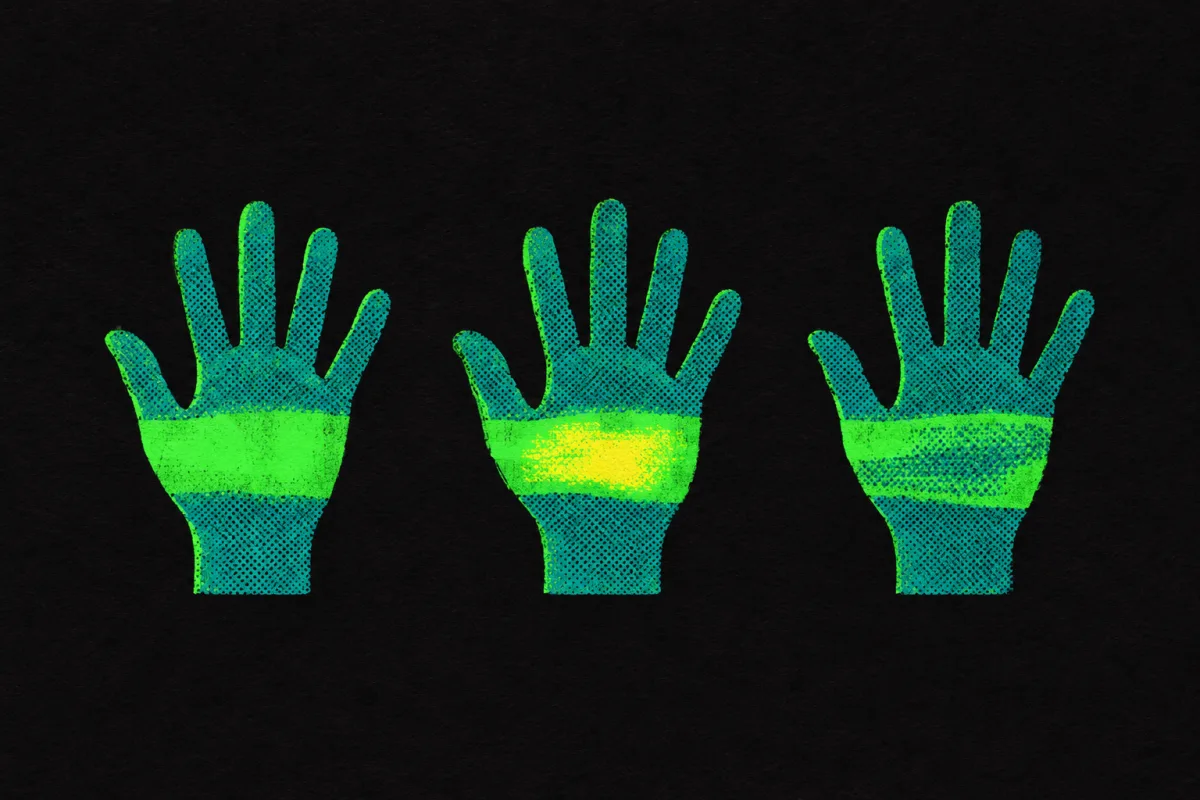
A volunteer holds their palm just to the left of a platform visible in an augmented reality headset. They sweep their hand across to the far edge in about three seconds. A warm patch travels across their skin as the hand crosses the visible boundary. On another pass, the same spots stay warm throughout. The volunteers rated the moving sensation as more realistic.
Alexandra Watkins and her colleagues at Vanderbilt University tested the pad with 12 undergraduate and graduate students. Communications Engineering published the peer-reviewed study on November 13, 2026. In augmented reality, a hand that feels a virtual surface may also need to pick up a real object from the table.
Warmth follows the edge
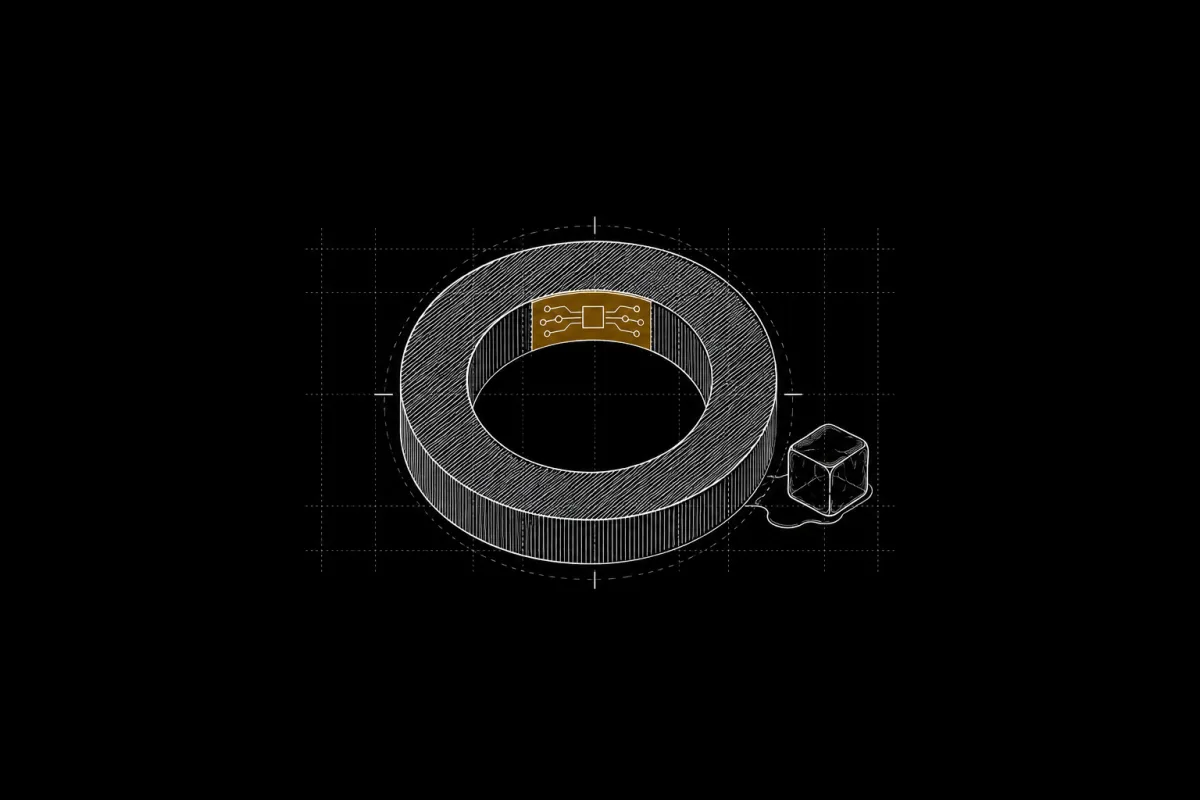
The silicone pad holds nine elements in three rows. Each heats or cools its own patch of skin. In the fixed setting, the pad switched on the same five elements every time, one at each corner and one in the center. In the moving setting, the headset tracked the hand and switched on the elements wherever the palm overlapped the virtual surface. A full overlap activated all nine.
In the moving-temperature experiment, each volunteer tried both settings, once with warmth and once with coolness. They then scored the experience on a seven-point scale. When the sensation moved, the average realism score rose from 3.46 to 6.13. The score for how immersed they felt in the scene climbed from 5.13 to 6.42.
Watkins and her colleagues suggest one use for that control. Imagine reaching for a virtual cup half filled with warm water. The pad could warm just the part of your palm opposite the water. If the cup were transparent, you’d see the waterline and feel which part of the cup was warm.
In a separate experiment, the volunteers tried to tell when the pad shifted a strip of warmth across their skin. They picked up some shifts from one side of the palm to the other more often than shifts between strips that crossed each other.
Keeping the fingertips free
Someone wearing an augmented reality headset can still see the table. They might reach for a tool, move a part, or feel for its edge. Heaters on the fingertips would sit between the fingers and anything they touched. The Vanderbilt team put them on the palm instead.
The team also tested how much it mattered where the hand felt the warmth. In a separate set of trials, the same volunteers touched a virtual object with either their fingertips or their palm. The pad delivered the sensation to the palm every time. When the volunteers saw their fingertips make contact and felt the warmth elsewhere, the average realism score fell from 6.17 to 2.88. The researchers detected no clear change in comfort or immersion. A person could stay absorbed in the scene and still notice that the sensation was in the wrong place.
Feeling the temperature of real metal
The silicone pad covers the palm and leaves the fingertips free. Sensors on the outside measure a real object’s temperature on contact. The elements on the inside heat or cool the skin.
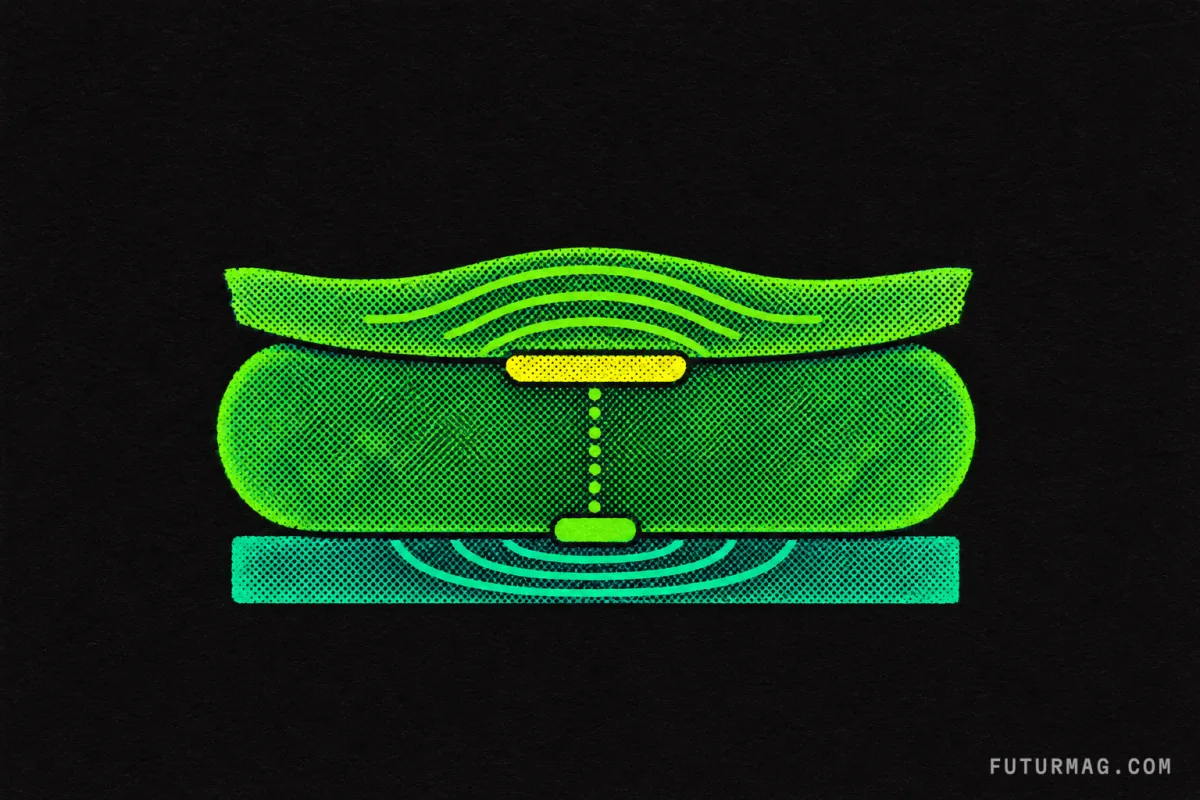
For this test, the team heated or cooled an aluminum surface and made a virtual replica. Volunteers touched both. Did the temperatures match? In warm trials with this setup, the estimated accuracy was 94.8%. In another set of trials, volunteers touched the metal first with their bare left palm and then with the pad on their right. The estimate for warm trials in that task was 87.2%. Volunteers had more trouble judging whether the temperatures matched when one touch was bare and the other went through the pad. The authors point to a possible reason. When bare skin touches metal, heat flows between them. With the pad in the way, a sensor takes a reading, the electronics process it, and an element adjusts the temperature against the palm.
In a three-second sweep, the warmth shifted as the hand passed the edge, making the scene feel more realistic. That happened at a lab bench, where the pad was tethered to control electronics and a reservoir of cooling water.