// Contents
Visitors to Britain’s House of Lords noticed an unusually hot floor and smoke rising through it on October 16, 1834. Workers downstairs were burning obsolete financial records. The fire destroyed both parliamentary chambers and much of the old Palace of Westminster. An archive clear-out had become a national disaster.
The fuel? Two cartloads of notched wooden sticks. Long before electronic payment confirmations, these sticks helped the government keep accounts. They remained in storage for eight years after the system fell out of use. Trouble came when someone decided to throw them away.
Split the debt down the middle
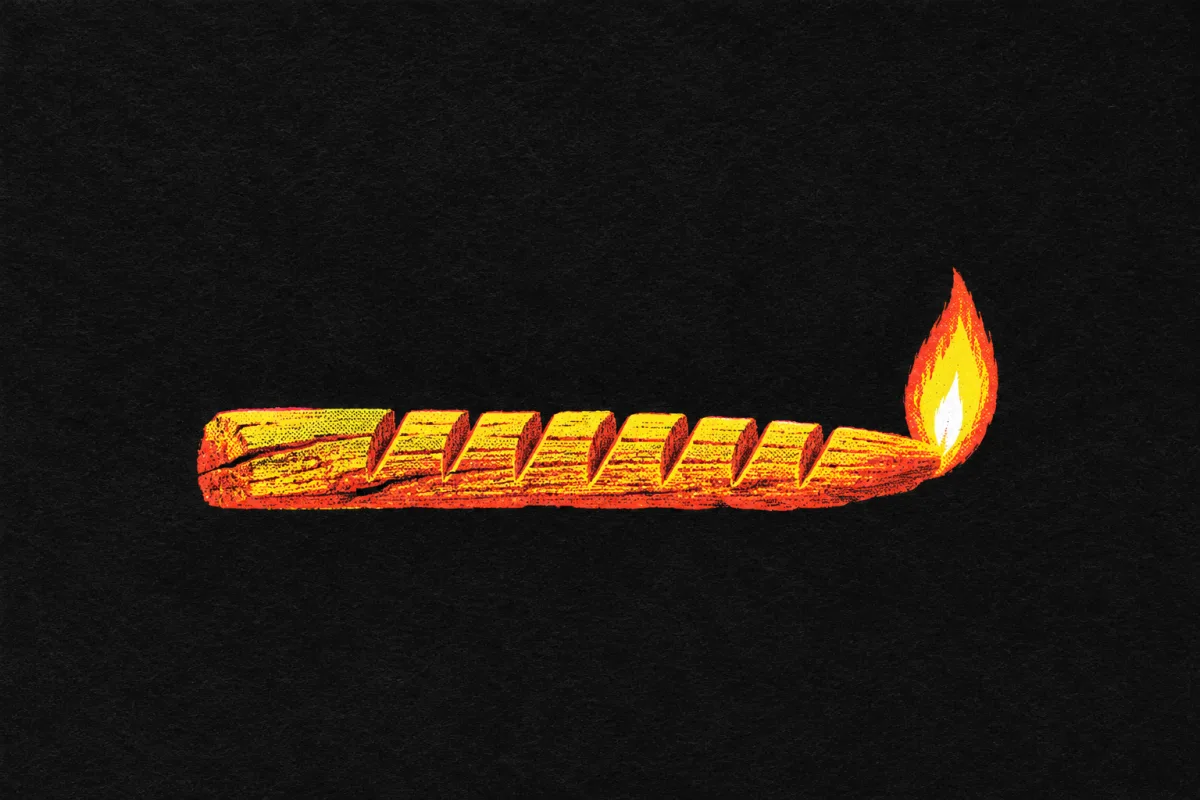
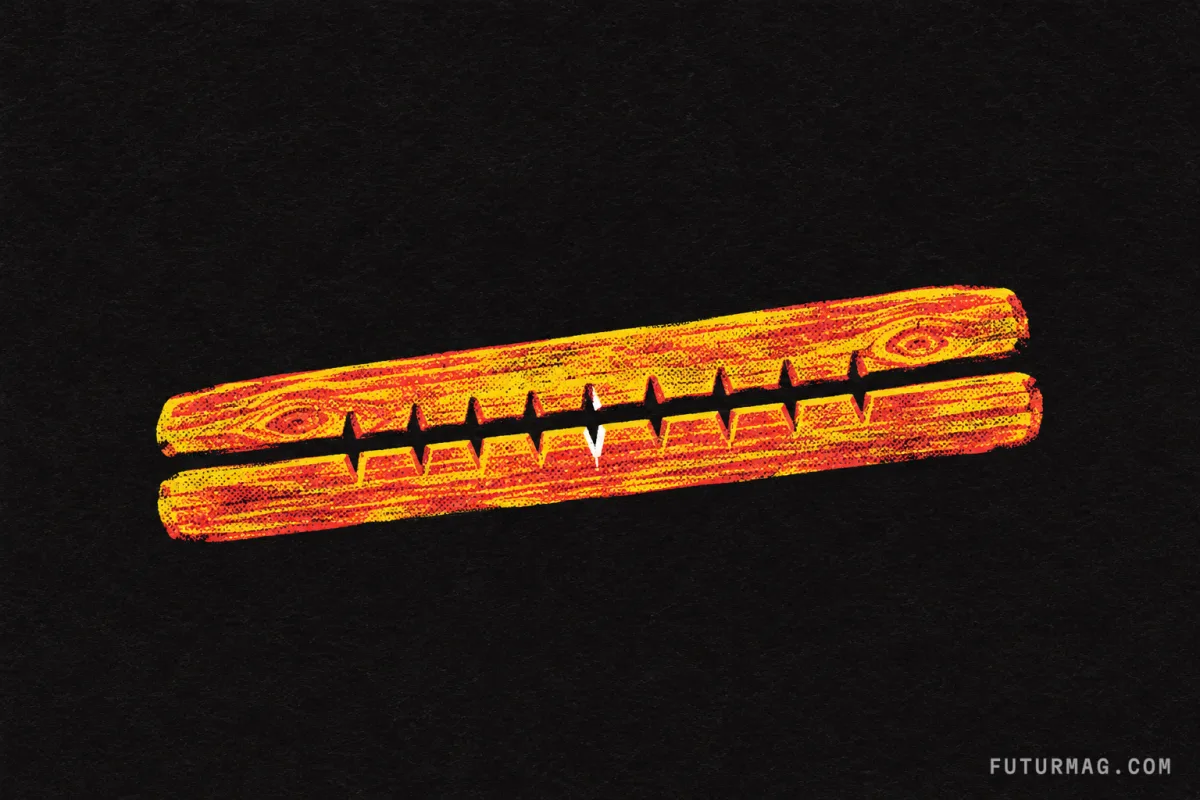
A tally stick recorded a sum with notches cut into wood. The stick was then split lengthwise, giving each party a piece of the record. The Bank of England Museum holds a tally for one of the bank’s first loans to the government in 1694. A piece of hazel could carry a government debt.
If a payment was disputed, the two parties could bring the halves together: both the notches and the split in the wood had to match. The National Archives describes one half staying at the Exchequer, the government accounting office, while the person making or receiving payment took the other. Errors still crept in: the archive describes improperly made tallies and payments made without the usual authorization.
Two cartloads with nowhere to go
The old accounting system fell out of use in 1826, leaving two cartloads of wooden records behind. The sticks could have been given away as firewood or burned outdoors. Instead, the palace’s Clerk of Works chose two heating furnaces in the basement of the House of Lords. The workers started on the morning of October 16, 1834.
Parliament’s account of the fire identifies the visitors’ guide as the deputy housekeeper, Mrs. Wright. That afternoon, her guests noticed the hot floor and smoke seeping through it, but the workers insisted on finishing the job. Parliament’s historical booklet explains that burning the tallies had started a chimney fire. It smoldered beneath the chamber floor throughout the day. The warning signs went unheeded. By five, the fires in the furnaces were out, and a reassured Wright locked up. The hidden fire continued.
At six, she heard a doorkeeper’s wife shouting that the chamber was on fire. The flames spread quickly through the palace and burned fiercely for the rest of the night. Parish fire crews, insurance-company teams and a private London fire service fought the blaze. Hundreds of volunteers, including members of both Houses, worked the pumps. They were paid in beer.
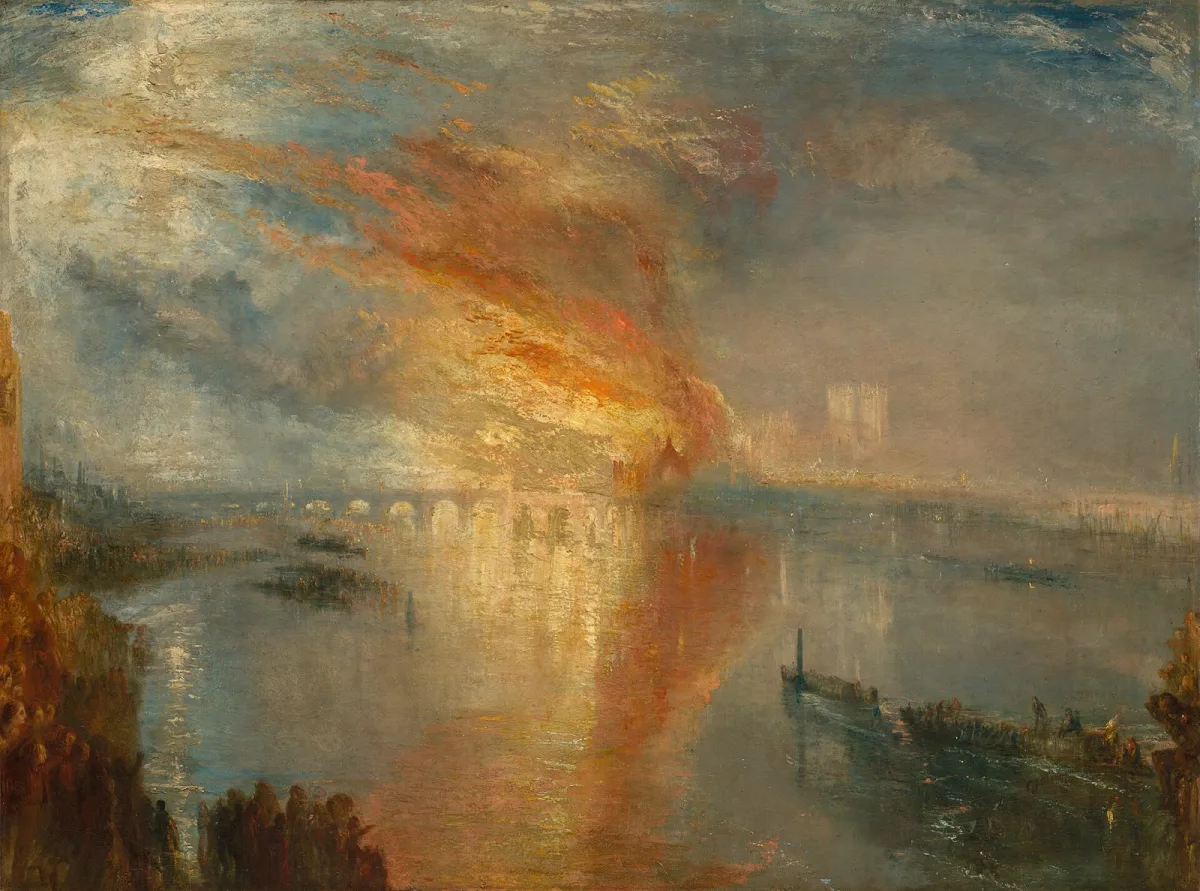
The clear-out destroyed another archive
The burning tallies took other records with them. Almost the entire House of Commons archive was lost, with the important exception of its Journals, the formal record of proceedings. The Lords archive survived partly because much of it was in the separate Jewel Tower. A clerk, Henry Stone Smith, saved hundreds of bundles of papers that had never been moved to the tower. He threw them from windows into the yard. For decades afterward, those papers were almost forgotten outside the Parliament Office. From 1860, the Lords records gradually moved into purpose-built storage rooms in the new Victoria Tower.
It is tempting to describe this as an early case of data loss. Yet some records survived simply because they were stored away from the main building.
Someone else paid for the clear-out
The fire also destroyed Alice’s Coffee House. Its owner, Henry Howard, petitioned Parliament for space to restart his business. He wrote that the fire had left him without a home or the means to support his family. Parliament received his petition on August 19, 1835. The parliamentary history does not make clear whether his request succeeded.
The government had been disposing of old records of other people’s payments. Next door, a coffee-house owner had to produce a new document asking for the chance to earn a living again.