// Contents
“We cannot display the balance.” That was the message ueno customers saw in their banking app at 3:24 a.m. on November 3, 2026, according to Euronews. There were nearly 3 million of them, in a country of about 6.5 million people. By the bank’s own count, roughly one in three instant transfers in Paraguay went through it. By morning the app, the cards, the ATMs and the branches had all gone dark.
On October 29 the bank had announced that its capital ratio, the cushion that absorbs losses, stood at 13.8%, comfortably above the required 12%. Four days later, central bank inspectors put it at 5.56%. Three days after that, on November 5, the country’s president, Santiago Peña, resigned.
This is the story of how a bank on a phone became a whole country’s wallet in five years. And why the part that broke was not the app.
An account in four minutes
In 2021 the Grupo Vázquez conglomerate bought a small lender called Financiera El Comercio and rebuilt it as a digital service. In 2023 the central bank allowed it to become a full bank, and in 2024 ueno swallowed an older lender, Visión Banco, along with its customers.
The pitch was simple. You opened an account on your phone with just a national ID card, and it took under four minutes, according to the bank’s quarterly report. No fees on the account, none on the debit card. In Paraguay that mattered. World Bank figures cited by ueno show that in 2021 fewer than three adults in ten had a bank account; by 2024 it was almost half. A study by the credit bureau Equifax, which the bank also quotes, found that more than a million Paraguayans opened their first-ever bank account at ueno. It is a marketing number, but it squares with the World Bank data: for many people, ueno became their first bank, and often their only one.
A jersey for your pension
Then ueno worked its way into everyday life. It sponsored Cerro Porteño and Olimpia, the country’s two biggest soccer clubs and eternal rivals, plus the Defensores del Chaco stadium. Retirees who agreed to have their pension paid into ueno got a replica national-team jersey. About 32,000 pensioners of IPS, the state social security institute, collected their payments through the bank.
By June 2026 ueno had 2.94 million customers, 63% of the adult population by its own figures. It called the first half of the year the best in its history. In March it sold $350 million in bonds abroad, and Hungary’s OTP Bank raised its stake in the parent company to $47 million. On October 6 the Paraguayan Association of Advertisers named ueno its “Brand of the Year.” The bank had four weeks left.
The advertisers were applauding, but investors were already nervous. In late October the ratings agency Fitch moved its outlook on ueno’s bonds from stable to negative, citing how fast the bank’s balance sheet had grown and how much of it was intangible assets. Its 2031 bonds, sold in March at 99 cents on the dollar, slid to about 87. All this came days before the press release touting 13.8%.
The state kept money there too. Al Jazeera puts the public funds ueno managed at close to $850 million. The IPS pension institute alone had about $355 million invested in it, roughly 9% of its portfolio, according to the Argentine outlet Perfil. Even the state power company ANDE and the Itaipú dam, which Paraguay co-owns with Brazil, kept accounts there.
Loans to friends
The digital bank came undone over the oldest problem in banking. Supervisors found it had lent too much to companies tied to its own owners.

Twice in mid-2026, central bank supervisors caught ueno over its limit on such loans. The bank found a simple way out: it sold about $40 million in problem loans to a company called Vinanzas. Senators’ questions suggest, however, that Vinanzas paid with money raised through bonds issued by firms belonging to the same owners. In effect, the bank bought back its own bad debts, and the risk simply moved from one pocket to another.
None of this was secret. The central bank’s head of supervision, Fernando Rivarola, laid out the scheme in a confidential memo on July 10. On September 14 the newspaper ABC Color published the senators’ questions about it. They also asked why Rivarola had been moved to another state agency. The central bank’s president did not respond to the paper.
The awkward ties went back further. Since 2023 the central bank had been run by Carlos Carvallo, who previously headed Financiera Ueno. President Peña himself held a stake in Ueno Holding, a company linked to the bank’s owners, until March 2025. In 2024 the head of ueno insisted that the president had no ties to the bank itself. Until recently, the AP reports, Peña dismissed worries about ueno as a smear campaign that was frightening the public.
The ending took a week.
// One bank, two verdicts
October 29, ueno on itself
Capital ratio 13.8% against a 12% minimum. A $100 million capital plan: half from the owners, half from private investors. The stated goal: “building a bank for all Paraguayans.”
November 2, the central bank
Once loans and assets were revalued, the capital ratio came to 5.56%. Write-downs topped 1.6 trillion guaraníes, roughly $270 million. The bank could not top up a required $70 million reserve.
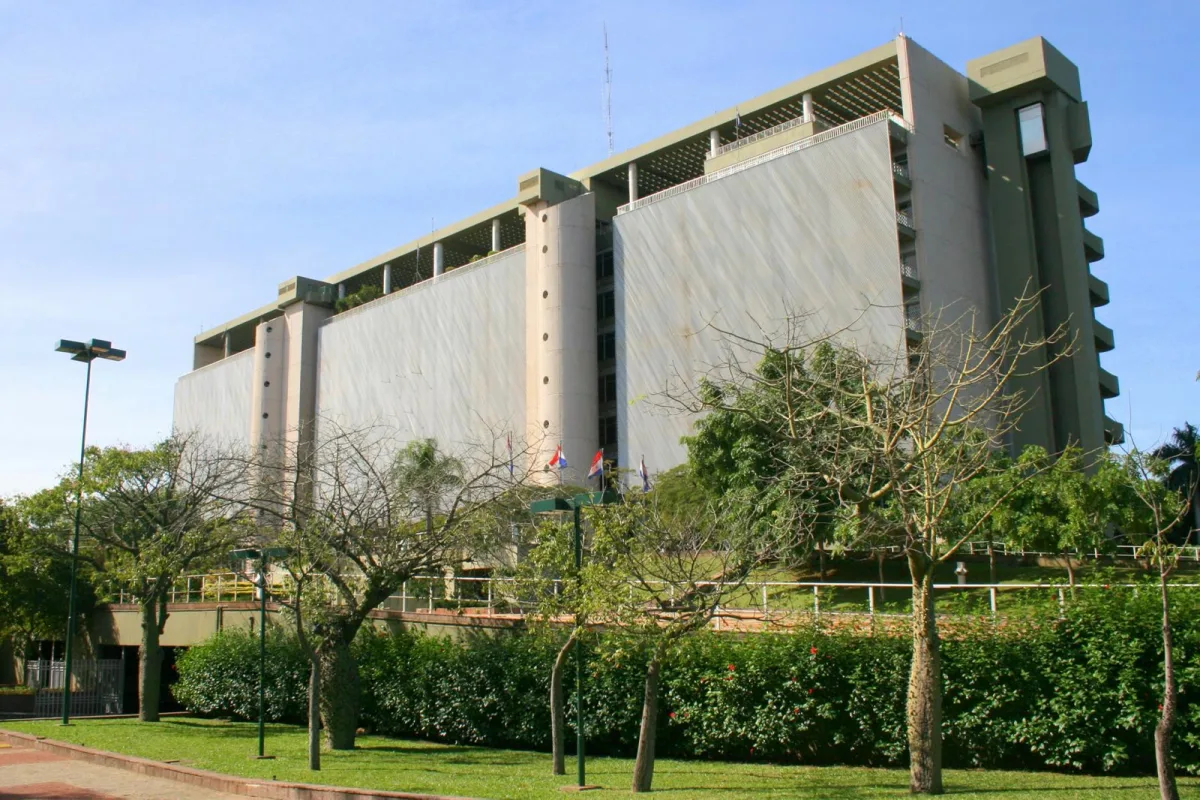
The central bank said some loans lacked proper paperwork and some assets were worth less than the books claimed. On November 2 its board voted unanimously to put ueno into resolution. Resolution is not a bankruptcy in the usual sense: the regulator takes control, halts operations and passes the deposits and assets to other banks through competitive bidding.
The night the app went dark
On the morning of November 3, central bank board member Liana Caballero told reporters that, as of that day, “neither the app, nor the cards, nor any service of the institution is active.” Lines formed outside closed branches, and police stood at the doors. Euronews described people in tears begging to withdraw money to pay for a seriously ill child’s medicine, and a construction worker who could not buy food for his children that day. The next day, the AP reported, so many customers rushed to open accounts elsewhere that other banks’ apps crashed.
The damage reached beyond depositors. About 7,000 ueno employees were left without pay, and hundreds of workers from ueno and other Grupo Vázquez companies protested outside the Labor Ministry. By its own account, ueno had issued more debit and credit cards than any other bank in the country. The national association of importers and traders warned right away that sales at big retailers would fall by 35%. “This is yet another assault on honest, hard-working citizens, people whose small savings are the fruit of years of labor,” protester Belarmino Balbuena told the AP.
Paraguay’s Deposit Guarantee Fund, its counterpart to the American FDIC, covers up to 75 monthly minimum wages per person per bank, about $38,600 (228.3 million guaraníes). The central bank insists ueno is an isolated case rather than the start of a system-wide crisis, and the country’s banking association says it sees no threat to other banks for now.
The catch is timing. First in line are small accounts, up to about $1,675, or roughly three months of minimum wage, as long as the owner owes ueno nothing and has an account at another bank. The law sets a deadline of November 17, which can be extended to December 2. For about 280,000 customers whose only bank was ueno, officials are opening accounts from scratch. Anyone with more than $38,600 at ueno has no guarantee of getting it all back.
The president, the bank and the regulator
What followed moved faster than banking stories usually do. On November 3 Carvallo, the central bank’s president, resigned. Eight members of ueno’s leadership were detained, among them founder Miguel Vázquez and the bank’s president, Juan Manuel Gustale. On November 4 prosecutors charged 27 people tied to the bank and the group’s companies. Lawmakers began talking about impeaching Peña.
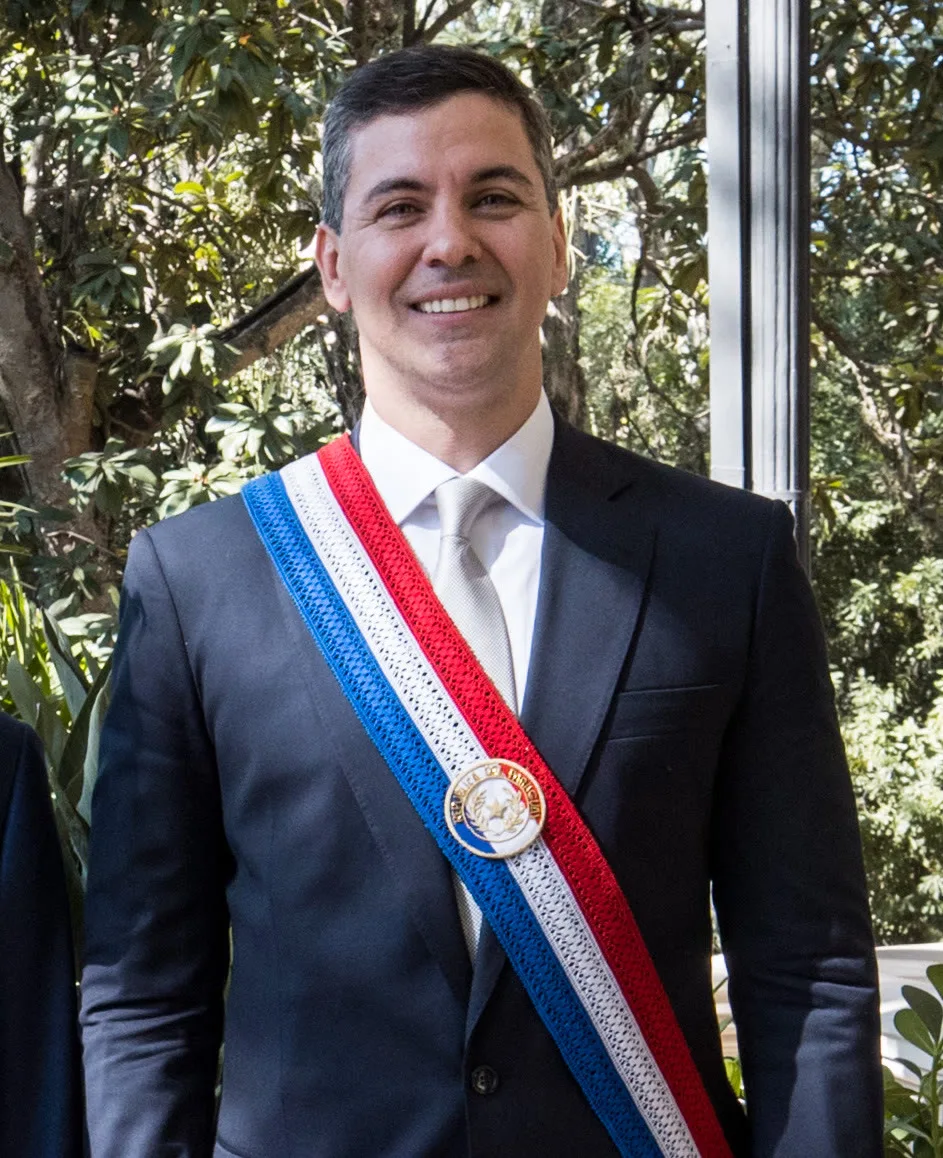
On November 5 Peña announced his resignation in a video address. “My greatest wish is that the return of those funds be guaranteed,” he said. He went on: “I also want to apologize to the people if I have failed them at any point. It was never my intention to betray the trust they placed in me.” What he did not do was take responsibility for the bank’s collapse. Minutes later, Decrypt reported, the lower house voted 78 to 0 to impeach him anyway and sent the case to the Senate. The Senate now has to decide whether to accept the resignation or see the removal through. Vice President Pedro Alliana is expected to take over.
Would bitcoin have helped?
The crypto press reacted almost instantly: Decrypt ran its story under the headline “Bitcoin Fixes This?” The argument is easy to follow. Money held by a middleman is only as available as the middleman allows. If you hold your own keys, a regulator’s decision in the middle of the night cannot touch you.
To its credit, Decrypt lays out the other side too. Nobody can recover a lost key, neither a middleman nor the police, and crypto exchanges can freeze withdrawals just as banks can. Add to that: a crypto wallet comes with no deposit insurance, and the companies that issue stablecoins, the crypto world’s digital dollars, have a freeze button and use it.
The money at ueno was digital all along; what broke was something else. In five years one company came to hold the accounts of 60% of adults, a third of the country’s transfers, pensions and hundreds of millions in public money. Supervisors, as the senators tell it, looked the other way. The app made the bank convenient, and convenience made it huge. Oversight never caught up.
The million people who opened their first account at ueno have now had their first banking lesson: what deposit insurance is, and how many days a payout takes. One placard at the protests in Asunción, the capital, asked a question nobody has answered yet: “Who will answer for a lifetime of savings?”