// Contents
Bitcoin was designed as money that doesn’t need a bank. The very first sentence of the 2008 white paper promises payments sent “directly from one party to another without going through a financial institution.” The owner holds the key, and nobody can freeze the account.
Russia is about to legalize bitcoin without that part. Starting November 17, 2026, any Russian can buy bitcoin, ether or the stablecoin USDT through a licensed broker, even someone who has never traded a stock. Purchases are capped at 300,000 rubles (a few thousand dollars) a year. The coins stay with the middleman. The law doesn’t let the buyer move them to a wallet of their own or send them to another person. A foreign exchange, though, is fair game. The result: a bitcoin that can legally travel to an exchange in Dubai but can’t end up in your desk drawer. And a private company abroad can freeze one of the three coins at any moment. Russian users have already watched it happen.
Three coins out of the whole market
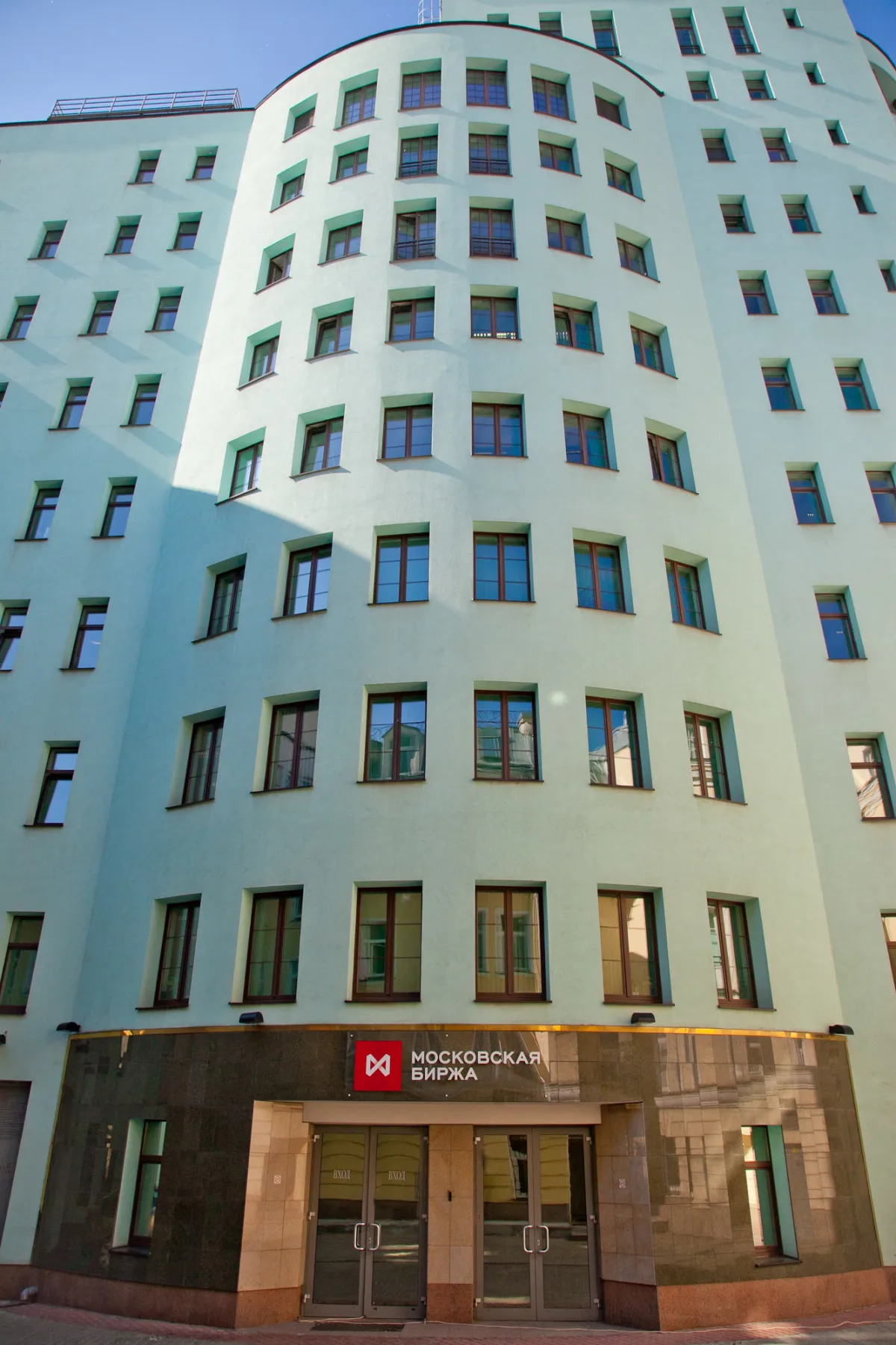
The Bank of Russia approved the list on November 6. It names bitcoin, ether (the currency of the Ethereum network) and USDT, a digital dollar issued by the company Tether. The regulator picked the most heavily traded coins with at least five years of price history. Buyers can go through a broker, an asset manager or a crypto exchange service on the central bank’s register, and the Moscow Exchange opens crypto trading on December 1. Everyone has to pass a test. Only qualified investors can buy any coin they like, with no cap. And what you buy won’t pay for a coffee or a plumber: under the law, crypto is for investing only.
All of this flows from Federal Law No. 282-FZ on digital currencies and digital rights, signed on August 4, 2026. Until then, Russians bought crypto in a gray zone: from other people in direct person-to-person deals (known as P2P), on foreign exchanges, or on unlicensed Russian platforms.
A door that only opens inward
The key restriction is tucked into the Q&A section of the central bank’s website. To see why it matters, you need one term.
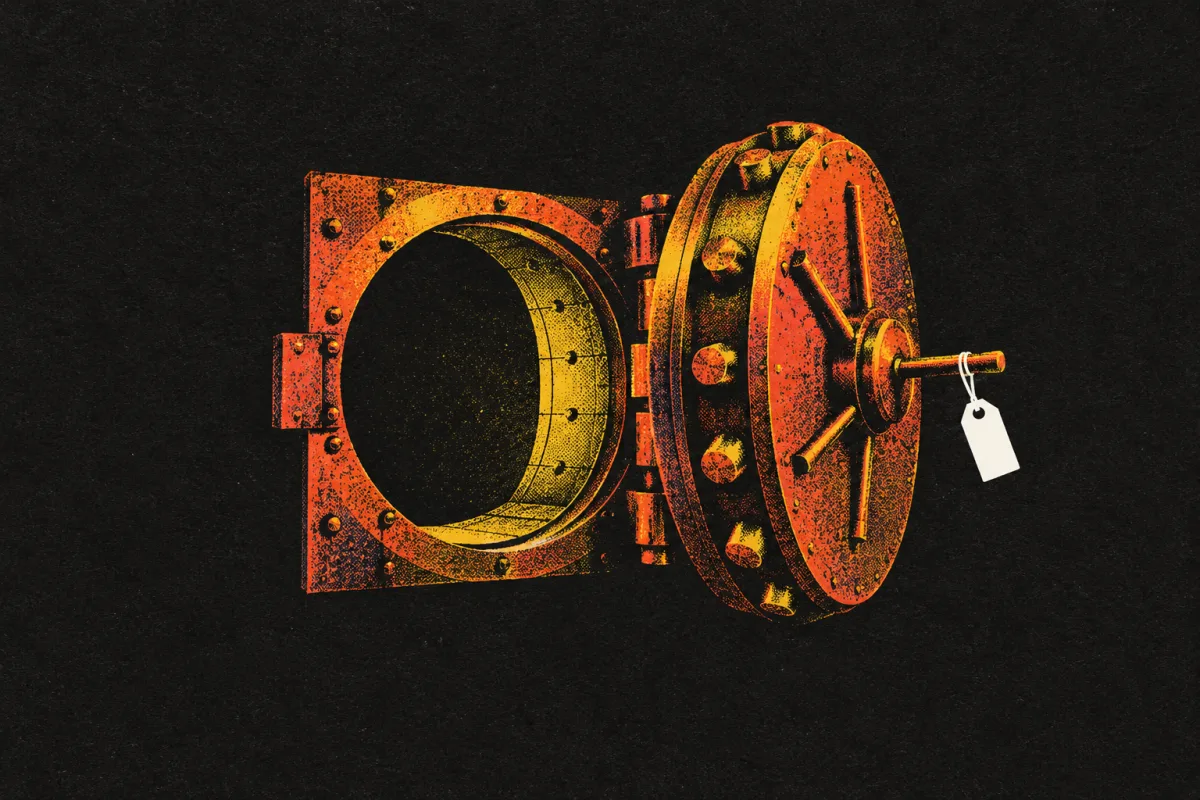
A self-custody wallet, which Russian regulators call “non-custodial,” keeps the key with the owner: in a phone app, on a hardware wallet the size of a USB stick, on a sheet of paper. Without the key, the coins can’t move. With it, nobody can take them, unless someone else learns the key. A custodial wallet works like a bank account. The company holds the keys, and the owner sees a record of their coins in its app. Crypto users sum up the difference in a short saying: not your keys, not your coins.
The central bank’s answers on this are blunt. Can you transfer coins from your digital account to your own self-custody wallet? “No,” the bank says, citing Part 9 of Article 31 of the law. Can you transfer coins to another person, including after a trade with them? Also “no.” First Deputy Governor Vladimir Chistyukhin put it more simply at the bank’s Financial Congress in July: Russian jurisdiction “only allows storage in custodial wallets.” Self-custody, he said, is possible only outside it.
The door does open the other way. If a coin already sits at your own address and you remain its owner, a depository (the company that keeps records of its clients’ coins) may credit it to your account. Bitcoin from your hardware wallet can walk into the Russian system. It just can’t walk back out to that hardware wallet.
The only exit leads abroad. Central bank governor Elvira Nabiullina said in July that there are “no restrictions” on moving crypto out of the country. The bank’s Q&A explains how a depository checks that the receiving wallet belongs to a foreign company, and each depository decides for itself which documents to ask for. So a coin bought in Moscow can go to an account at a foreign exchange. That is still a custodial wallet. It just belongs to someone else.
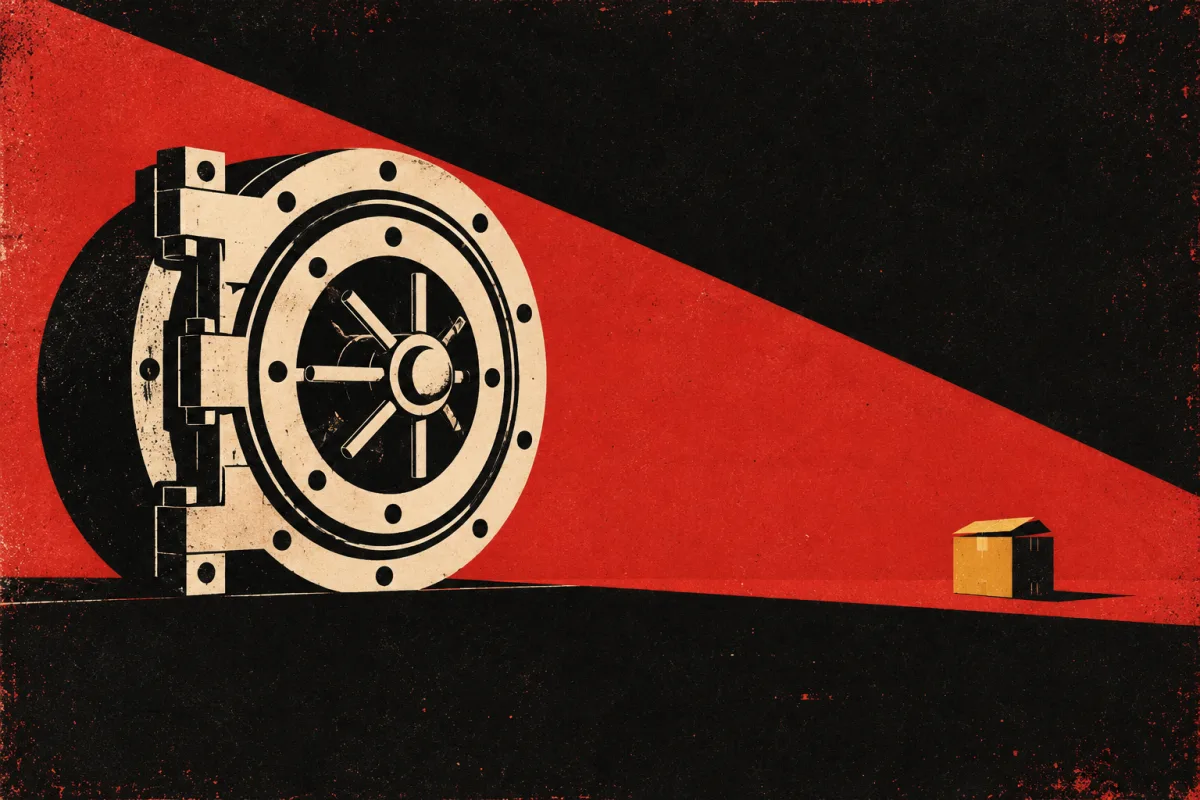
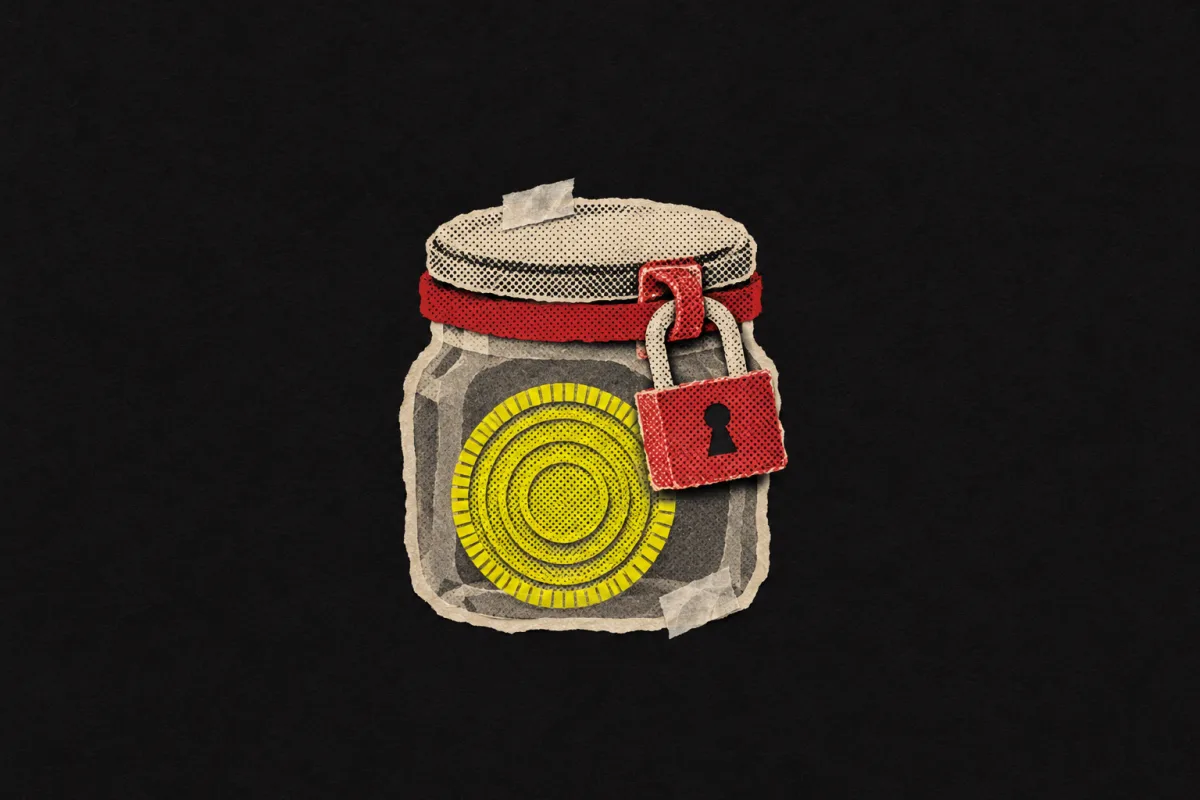
Russians already know a product that works this way: the unallocated metal account. The bank lists grams of gold in your name, but you never get to hold a bar. All you have is the bank’s record. Russia’s retail bitcoin works the same way. The price, the charts and the tax (13% and up on profits) are real. The key isn’t yours.
Why the state keeps the keys
There is a logic to this, and it isn’t only about control. Nabiullina presents the caps for inexperienced investors as part of the bank’s general approach to financial markets. “This isn’t something specific to cryptocurrencies,” she said: the state shields novice investors from risks they don’t understand. One of those risks has nothing to do with hackers. People lose their own keys. FUTURMAG has told the story of how the codes to 6,000 bitcoins ended up at a landfill inside a fishing-rod case. A broker is unlikely to lose a key that way.
The second reason is oversight. From July 1, 2027, crypto trades will be allowed only through licensed intermediaries, and banks will have to refuse everything else. The central bank allows P2P trades “only until 01.07.2027.” A purchase through a broker is fully visible: who bought, when, how much. A coin on a hardware wallet is not.
When a middleman holds the key, the coin’s fate depends on that middleman. And for one of the three coins on the list, the final word belongs to neither the broker nor the buyer. It belongs to a company abroad.
The third coin on the list
On March 6, 2025, Tether froze wallets belonging to Garantex, a Russian exchange under US and EU sanctions. The exchange wrote on Telegram that Tether was waging a “war against the Russian crypto world” and had blocked its wallets. By the exchange’s own count, they held more than 2.5 billion rubles, about $27 million. Garantex halted trading and withdrawals.
The irony was hard to miss. Garantex had held its customers’ keys itself. Yet after the freeze, its founder Sergey Mendeleev, who says he stepped away from the exchange in 2020, urged people to hold their own. He said he hoped the story would help people understand “not your keys — not your money” and “finally teach the user to distinguish tokens that can be blocked at smart contract level” from ones that can’t.
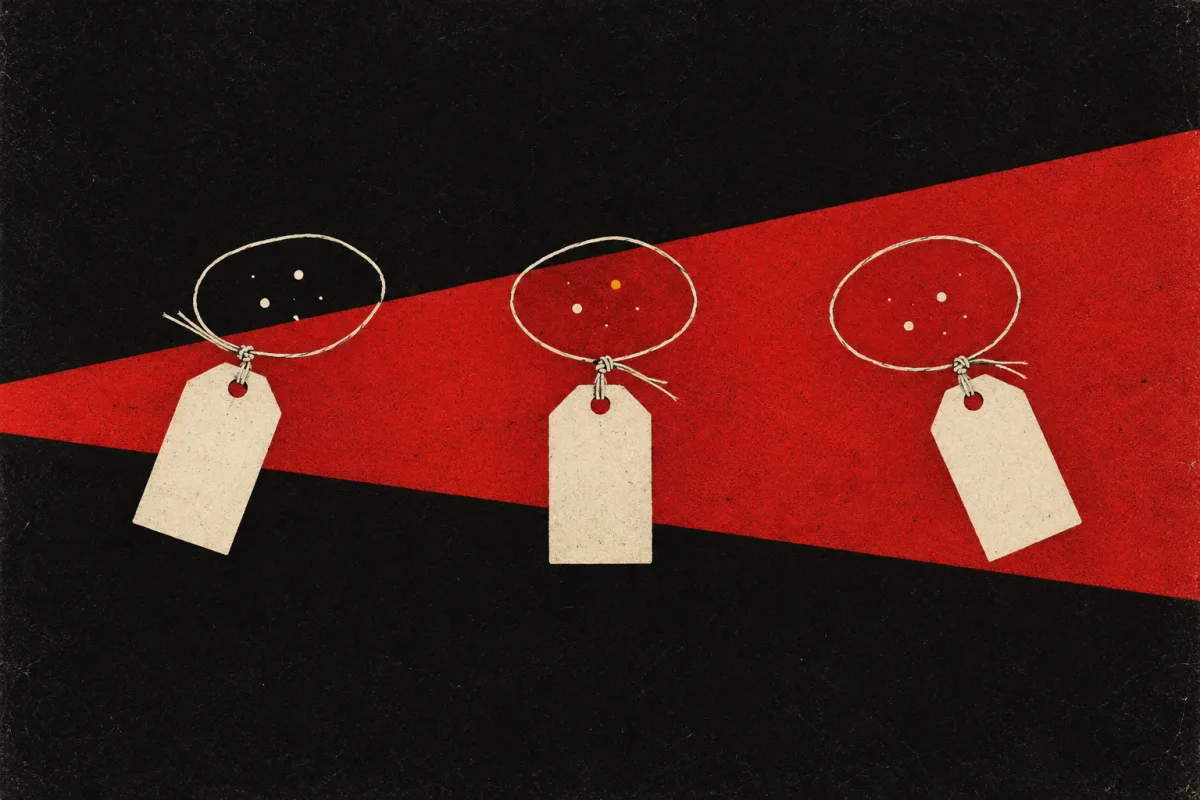
How is that even possible? Bitcoin and ether belong to no one: their issuance is written into code, and the networks have no freeze button. USDT is different. It is a stablecoin, a digital token that holds a price of about one dollar, and a private company, Tether, issues it. Even the central bank’s Q&A files it not under digital currencies but under “foreign digital instruments”: an asset with an issuer behind it gets a different status. Tether can block the tokens at any address, and it does. It froze stablecoins stolen from Binance, for one.
That same USDT is now on the list for the least experienced buyers. Deputy Finance Minister Ivan Chebeskov has himself called stablecoins risky assets. And the risk goes beyond USDT. Market participants, according to The Moscow Times, fear that coins on the Moscow Exchange will trade at a discount to foreign exchanges, because Western countries flag Russian crypto.
Nabiullina acknowledges the risk. One danger of crypto she has named: coins seized from their lawful owners on suspicion of links to Russia. Of investors who keep crypto on foreign platforms, outside Russian jurisdiction, she said that “when problems arise, they will have to solve them in a foreign jurisdiction. We saw this in the recent case of blocked assets.” A Russian broker protects the buyer from losing the key. It can’t protect them from a decision by Tether.
What sits in the account after you buy
// One bitcoin, two ways to own it
In your own wallet
Only the owner holds the key. The coin can go to anyone, anywhere. Lose the key and the coin is gone for good; no one can restore it. From July 1, 2027, buying or selling it in Russia is legal only through a licensed intermediary.
With a Russian broker
The intermediary holds the key. The purchase is legal, the tax is calculated for you, and the price shows in the exchange order book. A non-qualified investor gets three coins and 300,000 rubles a year per intermediary. The coin can go to a foreign exchange, but not to your own wallet.
For some people, this kind of bitcoin will be enough. Someone who wants to put part of their savings into the coin they keep hearing about gets a clear path: a broker’s app, a test, a cap, a tax report. No shady cash-for-crypto booths, no risk of meeting a scammer in a P2P chat.
Those who bought bitcoin for the key in their own pocket get a short window. The law doesn’t ban the wallet itself. But on July 1, 2027, 226 days after legal purchases begin, person-to-person trades end. From then on, buying bitcoin from another person straight into your own wallet is no longer legal. Bitcoin was meant to move money “without going through a financial institution.” Holding your own key stays legal. There is just no legal road to it from inside the Russian system: self-custody, as Chistyukhin put it, is possible only outside Russian jurisdiction.