// Contents
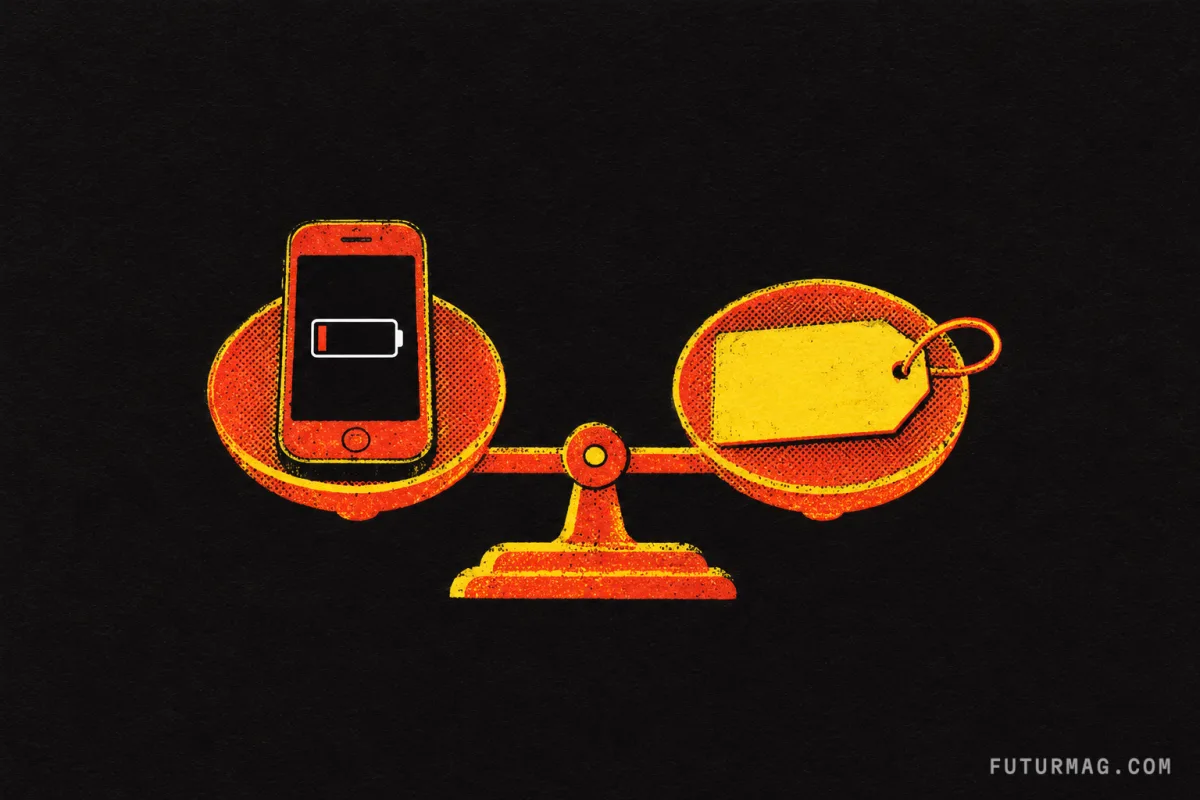
“We absolutely don’t use that to kind of like push you a higher surge price.” That was Keith Chen, then head of economic research at Uber, speaking on NPR in May 2016. He was describing a finding by one of the company’s data scientists: among the strongest predictors of whether a rider would accept surge pricing was how much battery was left on their phone. Once it drops below 5% and the little iPhone icon turns red, people stop waiting for the price to fall. They just want to get home.
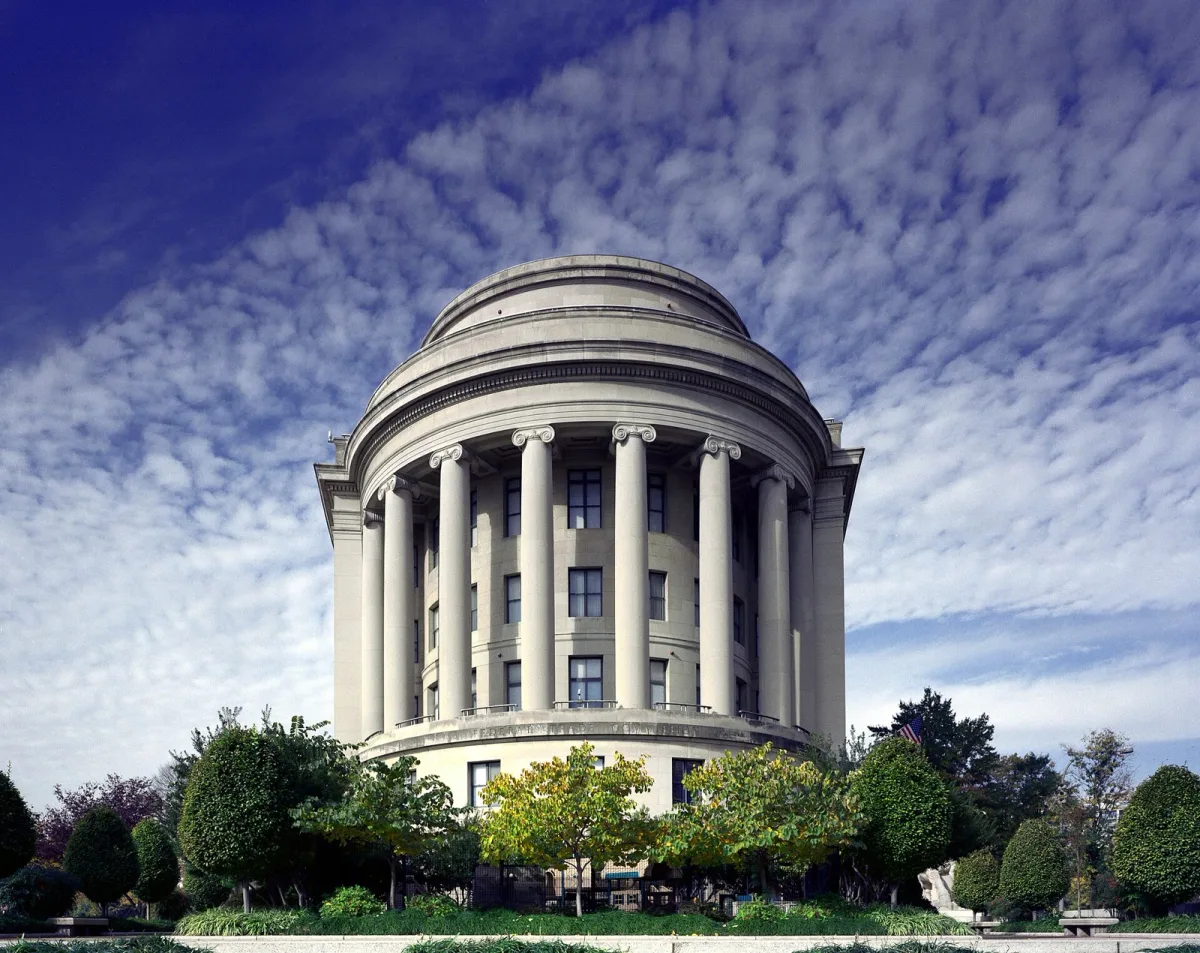
A decade later, the government wants to know what else the apps know about you, and whether it moves the price. On October 28, 2026, the US Federal Trade Commission ordered nine companies to explain whether the price of a ticket, a ride or a delivery depends on who is looking at it. The list: Uber, Lyft, DoorDash, Instacart, Walmart, Target and three airlines, Delta, United and JetBlue. FTC Chairman Andrew Ferguson said people deserve to know whether companies use their personal data to work out the highest price they can be charged. A second question is aimed at the people on the other side of the app. Does a driver’s or courier’s pay depend on how they use their phone, or on how often they turn down jobs?
One cart, nine dollars apart
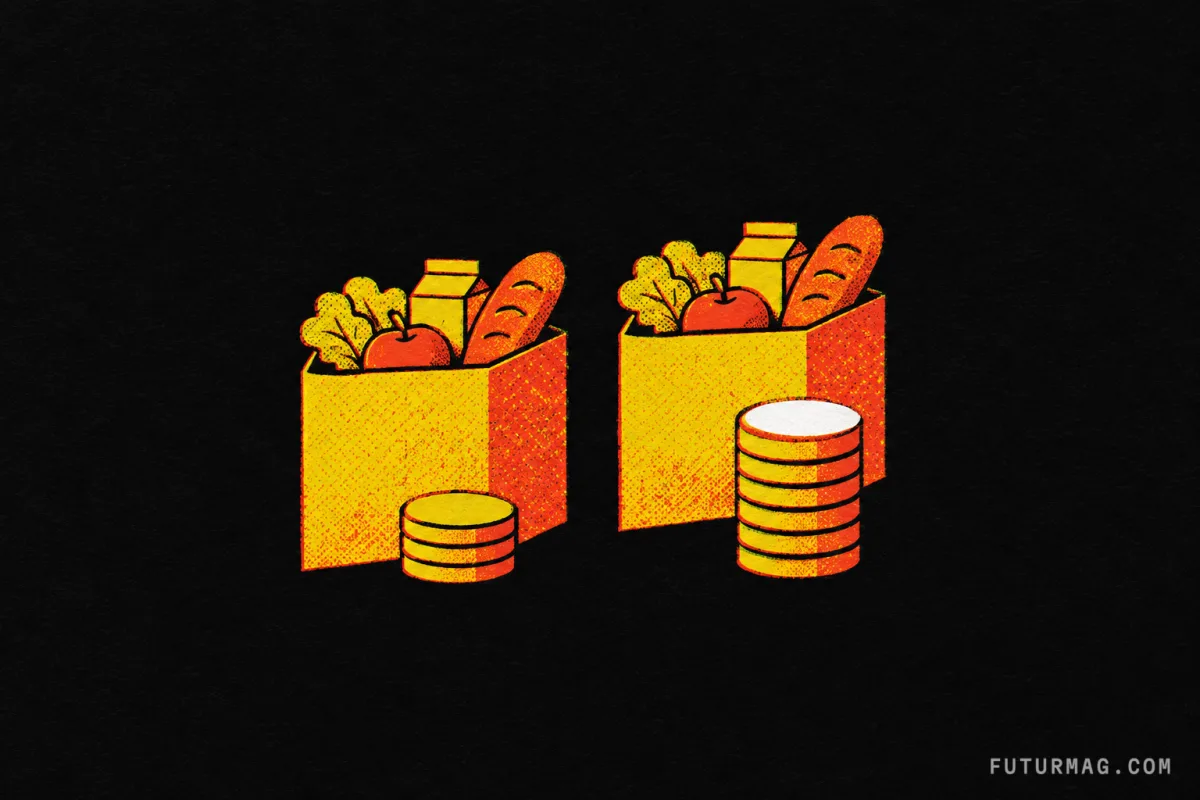
You don’t need FTC documents to see what different prices for the same thing look like. On September 4, 2025, 39 volunteers simultaneously opened Instacart, the grocery delivery service, picked the same Safeway store near Seattle and filled identical carts with 20 items. Nobody bought anything; they just took screenshots. The carts came to anywhere from $114.34 to $123.93. Only 8% of the volunteers saw the lowest total.
Consumer Reports and the nonprofit Groundwork Collaborative ran the test, with 437 volunteers across all their checks. For about three-quarters of the products, different people saw different prices. Gaps reached $2.56 per item, and a box of Wheat Thins at that same Safeway cost some shoppers 23% more than others. By the researchers’ estimate, that kind of spread could cost a family of four around $1,200 a year. “We just assumed that the listed price was the price for everyone,” one volunteer, Alex Tolley, a 71-year-old retired teacher from Merced, California, told the magazine.
Instacart said these were price sensitivity tests run for retailers through Eversight, a company it bought in 2022, and that no personal or demographic data was involved. The investigators pointed to Instacart patent applications that mention exactly that kind of data, and noted the company had obtained personal information from two large data brokers. On December 22, 2025, after the FTC started asking questions, Instacart ended all such tests. Lindsay Owens, executive director of Groundwork, said the company “had no choice but to close the lab.”
For shoppers, one detail matters most. On a phone screen, a random experiment and a price tailored to you look exactly the same. The only way to find out which group you landed in is to have 38 other people with smartphones standing next to you.
What the FTC already knows
The orders rely on Section 6(b) of the law that created the FTC. It lets the agency demand documents for a study even when nobody is suspected of anything, so this is neither an accusation nor a fine. The companies have 45 days to answer, and the FTC can go to federal court if they refuse.
The agency has a fair idea of what such systems can take into account. Its interim findings from January 2025 listed a shopper’s location, age and gender, purchase history, mouse movements on a page and items abandoned in a cart. One example from the report: a shopper profiled as a new parent might be shown pricier baby thermometers first. Back then, the agency questioned the middlemen that sell pricing software to retailers. This time it went straight to the sellers.
“To you, the individual”
Instacart insisted its tests used no personal data. Delta talked about its plans out loud. At an investor event in November 2024, Delta president Glen Hauenstein described a full reengineering of how the airline prices tickets. Eventually, he said, Delta would have a price available on that flight, at that time, “to you, the individual.” The math comes from Fetcherr, an Israeli company whose AI Hauenstein described as “a super analyst” working around the clock. In the summer of 2025, Fortune reported that about 3% of Delta’s fares were set this way and that the airline aimed for 20% by the end of the year.
When senators started asking questions, Delta insisted in a letter that it has never used, is not testing and does not plan any fare that targets customers with individualized prices based on personal data.
Walmart can already change the price on a shelf remotely, in seconds: the chain is swapping paper tags for electronic ones. In March 2026, the new labels were in 2,300 of its US stores, and every store is due to have them within a year. CEO John Furner answered the obvious question in advance. In September, he wrote that Walmart doesn’t and won’t set prices based on who you are or the time of day. A sudden rush on an item, he added, is never a reason to charge more.
The denials sound firm, but they leave room. Delta rules out pricing “based on personal data” without listing what data its algorithm does see. Is the country you browse from personal data? Your phone model? The fact that you’ve checked the same flight three times tonight? Nobody has said. That is precisely what the FTC is asking: whether prices change with loyalty program membership or with an algorithm’s analysis of what it knows about a person.
The driver gets a price too
In 2016, the phone was telling Uber about the rider. Now the FTC wants to know what the phone tells these companies about the driver. If an algorithm can find the highest price a rider will tolerate, in theory it can also find the lowest pay a driver will accept. Uber, Lyft, DoorDash and Instacart must show how they calculate that pay. The commission names two things that might feed into it: how a worker uses their phone, and how many jobs they have accepted or declined.
British figures show what happens to earnings once an algorithm sets the pay. In June 2025, a University of Oxford team led by associate professor Reuben Binns analyzed more than 1.5 million trips by 258 Uber drivers in the UK between 2016 and 2024. In 2023, Uber switched to a dynamic algorithm that sets both fares and pay. After that, riders paid more per trip and drivers earned less. Hourly pay fell from £22.20 to £19.06, adjusted for inflation and before the cost of the car and fuel. Uber’s median cut rose from 25% to 29%, and on some trips it took more than half. “The higher the value of the trip, the more of a cut Uber takes,” Binns said. Uber disputed the study’s figures.
The data came from Worker Info Exchange, a nonprofit that helps drivers get their own data out of the platforms. Its director, James Farrar, said Uber’s UK managers “must now come clean and explain to their workers how their pay is set.”
The Oxford study sees only what ends up on pay slips. It can’t say what the algorithm actually weighs, and nobody has yet shown that pay is tailored to individual drivers. Pay slips alone can’t prove that, which is why the FTC wants documents from the inside.
What the inquiry can change
The FTC has less power here than it might seem. The commission itself admits it cannot ban personalized pricing outright. In August 2026, it proposed a simpler rule: if your data shapes the price, the company has to say so, and staying silent may count as deceiving the customer. The current inquiry isn’t even an investigation, and none of the nine companies has been accused of anything. Answers are due around mid-December, but the agency’s conclusions could take months, and the companies’ replies will stay with the FTC.
States are moving faster. Lawmakers in at least 30 of them considered bills on algorithmic pricing this year. New York has had a disclosure law since November 2025, and a retail trade group failed to overturn it: federal judge Jed Rakoff upheld the requirement.
Under that law, a personalized price has to carry a line next to it: “This price was set by an algorithm using your personal data.” Until that line shows up on most screens, there is only one old-fashioned way to spot a price picked for you: gather 38 other people with smartphones and compare.