// Contents
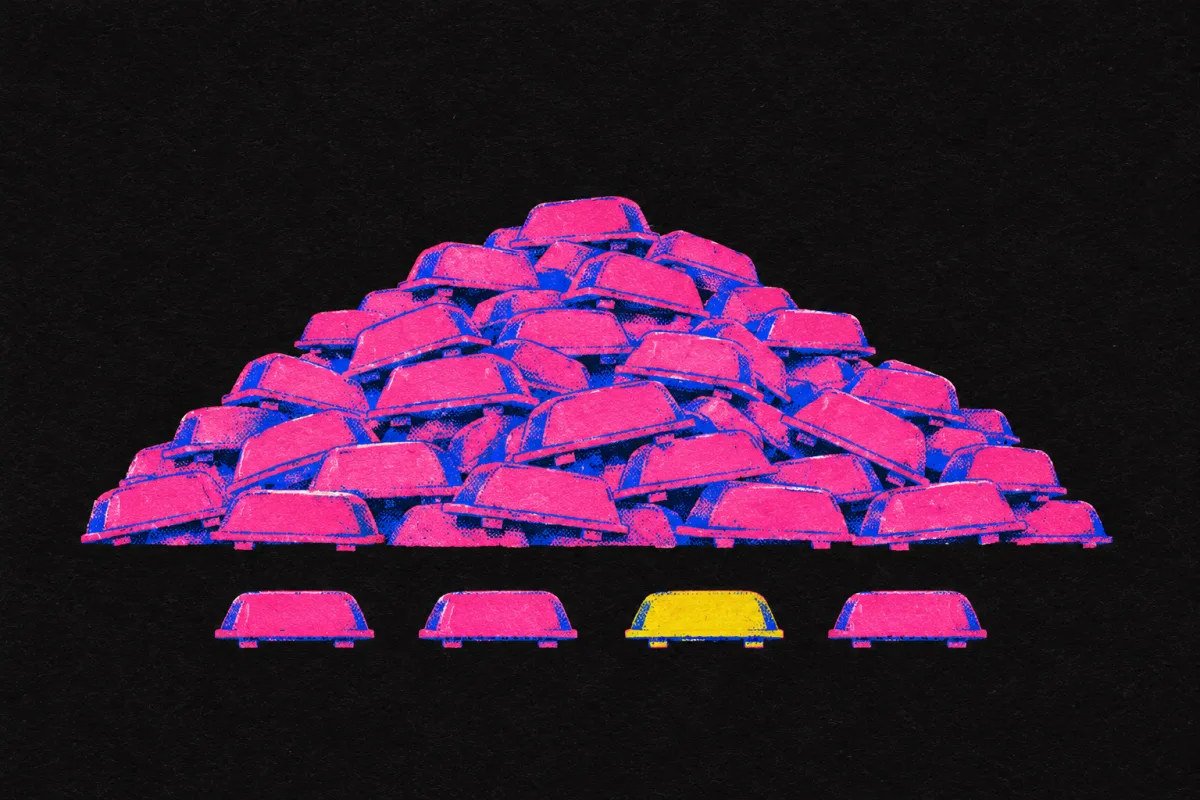
Uber handled 320 million rides and food orders in the week of Halloween. AI agents accounted for about 500 deliveries and four rides. Not four thousand, not four percent. Four cars that someone summoned by asking a chatbot instead of tapping the app.
The number came up on November 4, 2026, during Uber’s third-quarter earnings call. JPMorgan analyst Doug Anmuth asked about AI agents. Midway through answering, CEO Dara Khosrowshahi turned to his own CFO, Balaji Krishnamurthy, and asked what the volumes looked like right now. Agents had produced “500 orders total” on Uber Eats, Krishnamurthy said. And on the rides side, “a grand total of 4 trips.” Khosrowshahi summed it up: “very, very early and very limited traction.”

Nor was it a quiet week. Krishnamurthy called it one of the company’s biggest, precisely because of Halloween. That works out to one agent-booked ride for every 80 million rides and orders.
// What an agent is up against
Fifty seconds with nothing to trim
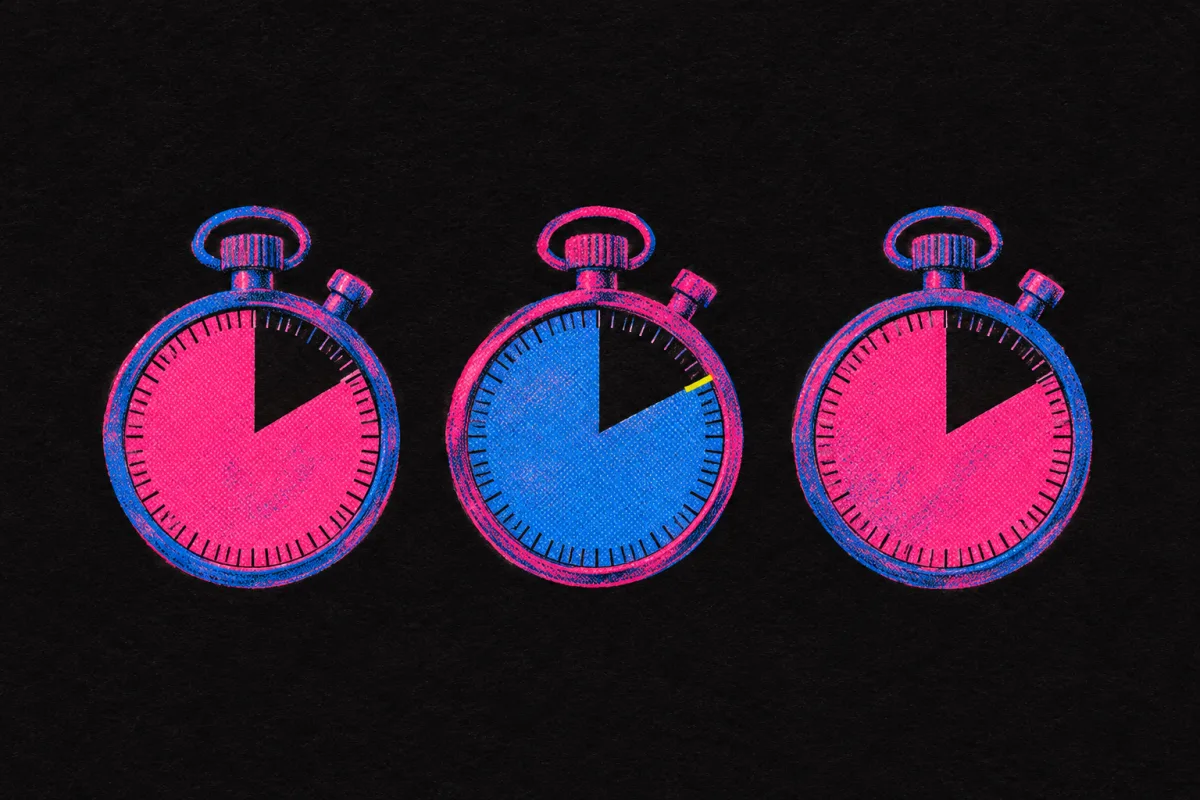
On the same call Khosrowshahi explained why the numbers are so small. Booking a ride in the Uber app takes 50 seconds on average. On Uber Eats, half of all repeat orders of a favorite meal take under 90 seconds. An agent is worth using only if it beats that, and that’s a tall order. You type or dictate the request, wait for the model to work it out, then check that it grabbed the right address anyway.
Agents are also slow. Researchers at the University of California, San Diego measured how AI systems handle a computer. Tasks that people finish in a few minutes took agents tens of minutes, and the model spent almost all of that time thinking: planning its steps and double-checking itself. The study is about computer tasks, not taxis, but the picture is clear enough. By the time an agent finishes deliberating, a person with the app is already in the car.
A taxi is the worst case for an agent. You need the car right now, you’re standing on the street with the phone already in your hand, and the app knows where you are and shows the price on the map. There’s nothing to delegate. Food leaves more room for choice: what to eat, from where, for how many people. That is probably why agents placed 125 times more delivery orders than rides, though even that is a rounding error. That part is a guess, to be clear: Uber didn’t explain the gap, and it didn’t say which agents it counted or how.
DoorDash is counting in the hundreds too
Uber isn’t alone. A week earlier, on its October 29 call, DoorDash CEO Tony Xu admitted that third-party agents such as Muse, Instinct and Fo had sent “maybe several hundred orders in total.” For scale, DoorDash averaged 3 million deliveries a day in 2025. Xu put his stance this way: “You never want to fight gravity. But at the same time, you don’t want to be delusional.”
The odd part is that people are happy to use the agents themselves. Meta’s Muse agent, covered here in October, has signed up more than 10 million users since its September launch, and shopping is the thing people ask it to do most. It looks as if people hand an agent the kind of job that would otherwise eat an evening: comparing headphones, hunting for a gift, filling a cart with ten different items. Dinner and a ride are different. They’re short, repetitive actions, and the apps cut them down to a couple of taps long ago.
The in-house assistant wins
A company’s own AI brings in bigger orders. Khosrowshahi said early data show that carts assembled with the assistant in Uber’s delivery app are roughly twice the average size. Amazon showed off sheer scale on its October 29 call: CEO Andy Jassy said more than 400 million customers used its Alexa for Shopping assistant over the past year. US customers who use it spend 50% more per order than those who don’t. In both cases, though, the figures compare users with everyone else; nobody ran an experiment. Big spenders may simply be quicker to try new things.
Jassy said outright that Alexa for Shopping will be the main agent people use to shop on Amazon. Khosrowshahi put it more gently: every AI company is in talks with Uber, but in his view the company’s own services will stay the easiest to use.
It’s easy to see why. An in-house assistant keeps customers on the company’s own turf: it sees their orders and can sell them ads. An outside agent turns the service into a subcontractor. The order arrives from a chat window, and the customer stays with whoever built the chat. Xu is already wondering whether DoorDash could advertise inside the agents themselves.
For the customer, this comes down to trust. If ads show up inside agents, a bot’s “best option” for dinner could turn out to be a paid placement. And Amazon’s or Uber’s own assistant will only show you what that company sells. What the companies are really fighting over is whose adviser you’ll believe.
For now, outside agents bring these companies few enough orders to count by hand. Khosrowshahi, as TechCrunch reported, closed the topic with little optimism to spare: “Listen, we hope that there will be more traction.” Yet the numbers already hint at where an agent belongs. People gladly hand a bot the hunt for headphones and gifts, but they still call a car themselves, standing on the street with the phone in hand. An agent earns its keep where people can’t be bothered to think, not where they can’t be bothered to tap.