// Contents
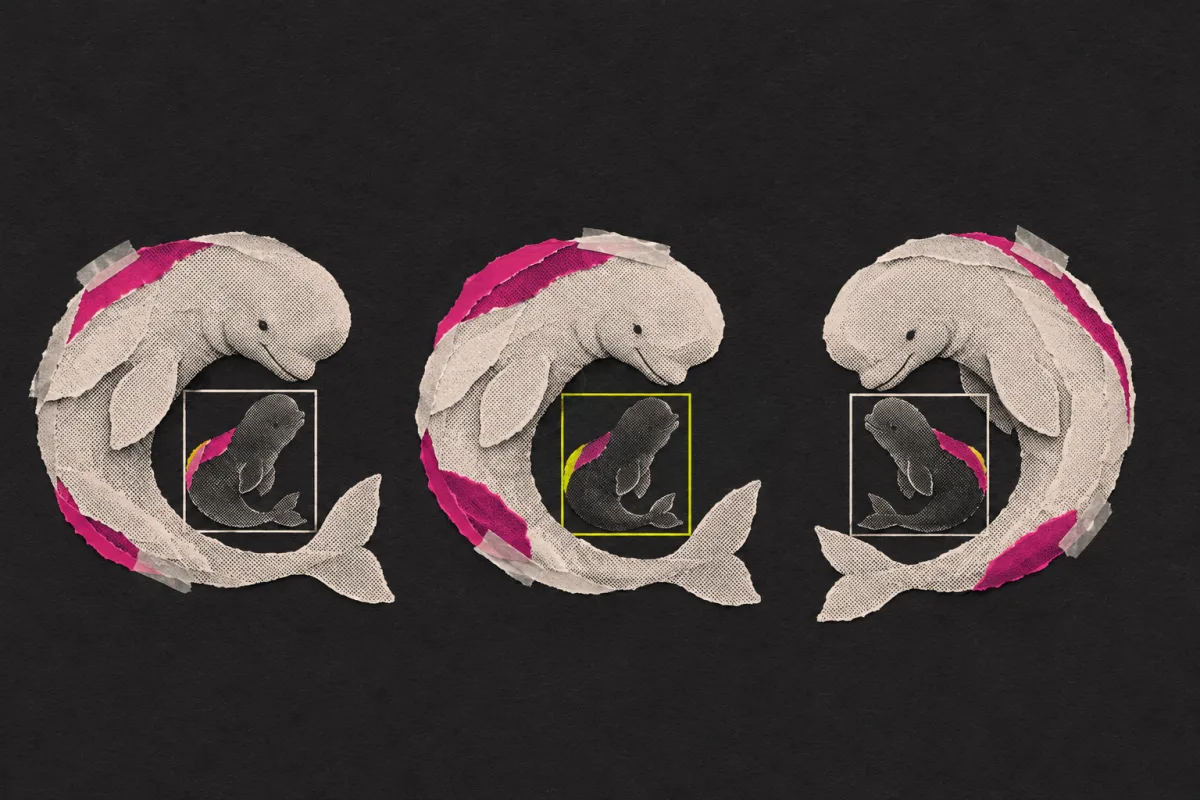
Princeton researchers used a synthetic voice to recreate the speech a young girl called Coral heard at home. They fed the audio to an AI model a day at a time. By the equivalent of age two, a single pass through the clips had yielded zero words on the team’s test.
The team sampled speech the model had already heard, bringing the daily clip count to 25 times what it was without replay. This time, the model passed the test for the sound patterns of 2,904 words. Sleep research gave the team the idea of revisiting past speech at the end of each training day. The results appeared in Science on November 5, 2026.
Microphones at home
Coral is a pseudonym. She took part in the Baby1K project, which installed cameras and microphones in 15 homes with parents’ permission. The equipment ran for 12 to 14 hours a day in rooms where the children spent time. The team finished processing the recordings for eight children and built a model for each. Coral’s full recordings contained about 21 million words. Lead author Hadas Raviv was surprised that even with all that speech to draw on, the first attempt yielded zero words on the team’s test.
The microphones caught background noise and overlapping voices. To simplify things, the researchers transcribed the speech near each child and used a computer voice to read it back. Word order stayed the same. The speakers’ voices and intonation disappeared. The team set the daily training amount using the household’s recorded words per hour and how long a child of that age typically stays awake.
What replay changed
After 24 simulated months, the team compared two versions of the model. One version heard each clip once. Zero words made the cut. At the end of each training day, the other version replayed clips sampled from all the speech it had heard so far, with recent clips more likely to come up. It got 24 times as many clips in replay as it got in the day’s new material. That put the daily total at 25 times the number of new clips alone. The model’s predictions passed the same test for 2,904 word forms.
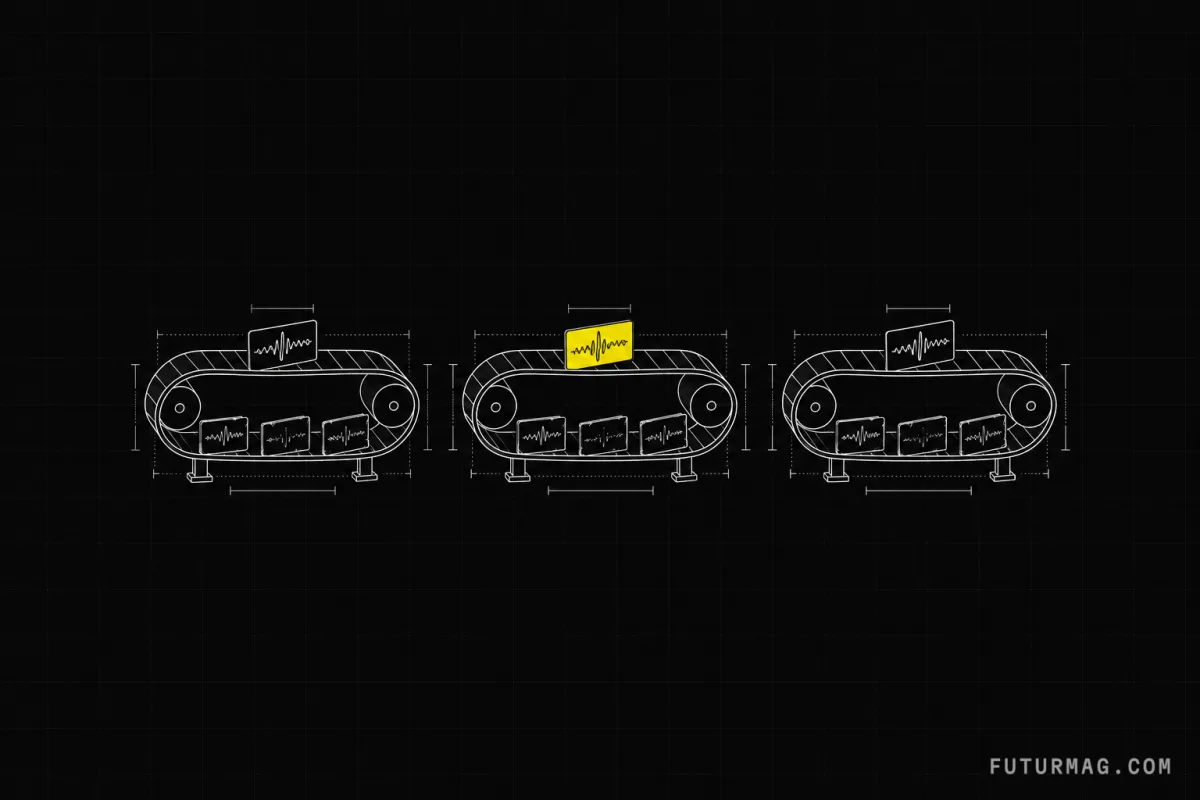
In a separate test, the researchers kept the replay and cut the amount of new speech per day in half. The model learned 462 word forms, about a sixth of the 2,904 it picked up with the full set. The authors suspect the denser stream gave it more chances to hear rarer words.
Take dog. The researchers used transcripts to mark where the word began and ended in audio the model hadn’t heard during training. A word counted once the model correctly predicted its sequence of sounds on at least 15 occasions in different contexts. Variants such as eat, eating, and ate counted as one word. The model also grouped sounds into categories that matched 38 of the 39 English phonemes the researchers tested. A phoneme is a sound that can set one word apart from another, like the first sounds in bat and pat.
Why the model had a night shift
In one experiment with infants, the children saw pictures of made-up objects on a screen and heard invented names for them. After a nap, their brain waves suggested they remembered which names went with which objects. They also appeared to apply those names to new objects from the same category. Whether sleeping infants replay specific phrases remains an open question. With a model, the Princeton team could test what replay does for a learner.
Models using Coral’s settings picked out word forms from all seven of the other homes. In a separate test, the researchers tailored the settings to each child. They used parents’ responses to estimate when each child understood half the words on a checklist. With those adjustments, each model reached the same milestone closer to the age estimated for the child.
The tests measured different things. Parents reported which words their child understood. The model predicted how those words sounded. For Coral, the team gathered reports on comprehension through 16 months. For the two-year mark, it estimated the total from earlier responses.
A child can hear dog, see a dog and pet it. The model learned to recognize the sound of the word. The researchers already have video from the homes. Could that help the model connect dog with what was in front of the child?